Eid al-Fitr in 2026 marks the conclusion of Ramadan, a period of spiritual reflection and fasting for Muslims worldwide. This guide provides a detailed overview of its anticipated date, the traditional celebrations, and practical considerations for observing this significant occasion. Understanding the lunar calendar's role in determining the exact date, alongside the various cultural and religious practices, is crucial for both participants and those seeking to understand the festival's global impact. The information presented here aims to clarify the event's timing and offer insights into its core celebratory components. This guide provides a detailed overview of its anticipated date, the traditional celebrations, and practical considerations for observing this significant occasion, covering the meaning and date of Eid al-Fitr.
Determining the Date of Eid al-Fitr 2026
The exact date of Eid al-Fitr is determined by the sighting of the new crescent moon, which signifies the end of the Islamic month of Ramadan and the beginning of Shawwal. Because the Islamic calendar is lunar, its months are shorter than those of the Gregorian calendar, causing Islamic holidays to shift approximately 10 to 11 days earlier each year relative to the Gregorian calendar. For 2026, astronomical calculations suggest Eid al-Fitr will likely fall around Thursday, March 19th, 2026. However, this is an estimated date. The final confirmation depends on the actual moon sighting, which can vary slightly by geographical region and local religious authorities.
This reliance on moon sighting means that the precise day of Eid al-Fitr is often announced just a day or two before the event by religious councils or national observatories. This approach ensures adherence to traditional Islamic jurisprudence, which prioritizes direct observation over purely astronomical predictions for the commencement of lunar months. Consequently, individuals and communities should monitor announcements from their local mosques, Islamic centers, or national religious bodies for the definitive date.
Key Celebrations and Traditions
Eid al-Fitr is characterized by a series of distinct traditions that emphasize gratitude, community, and charity. These practices are observed globally, though local customs may introduce regional variations.
The Eid Prayer
The day of Eid begins with a special congregational prayer, known as Salat al-Eid, typically performed shortly after sunrise in large open spaces or mosques. This prayer is a central ritual, signifying collective gratitude for completing Ramadan. It differs from daily prayers by including additional takbirat (glorifications of God) and a sermon (khutbah) delivered by the Imam, which often focuses on the themes of piety, forgiveness, and community solidarity. Attending this prayer is a communal act, bringing together families and neighbors.
Zakat al-Fitr
An obligatory charity, Zakat al-Fitr, is paid before the Eid prayer. This donation is intended to purify the fasting person from any minor sins or idle talk during Ramadan and, crucially, to ensure that less fortunate members of the community can also celebrate Eid. The amount is typically a small fixed sum or an equivalent measure of staple food items, such as wheat, barley, or dates, per individual. It is paid on behalf of every family member, including dependents, and distributed directly to the poor and needy. The timely payment of Zakat al-Fitr is a fundamental aspect of Eid al-Fitr, embodying the festival's spirit of compassion and social responsibility.
Family Gatherings and Feasts
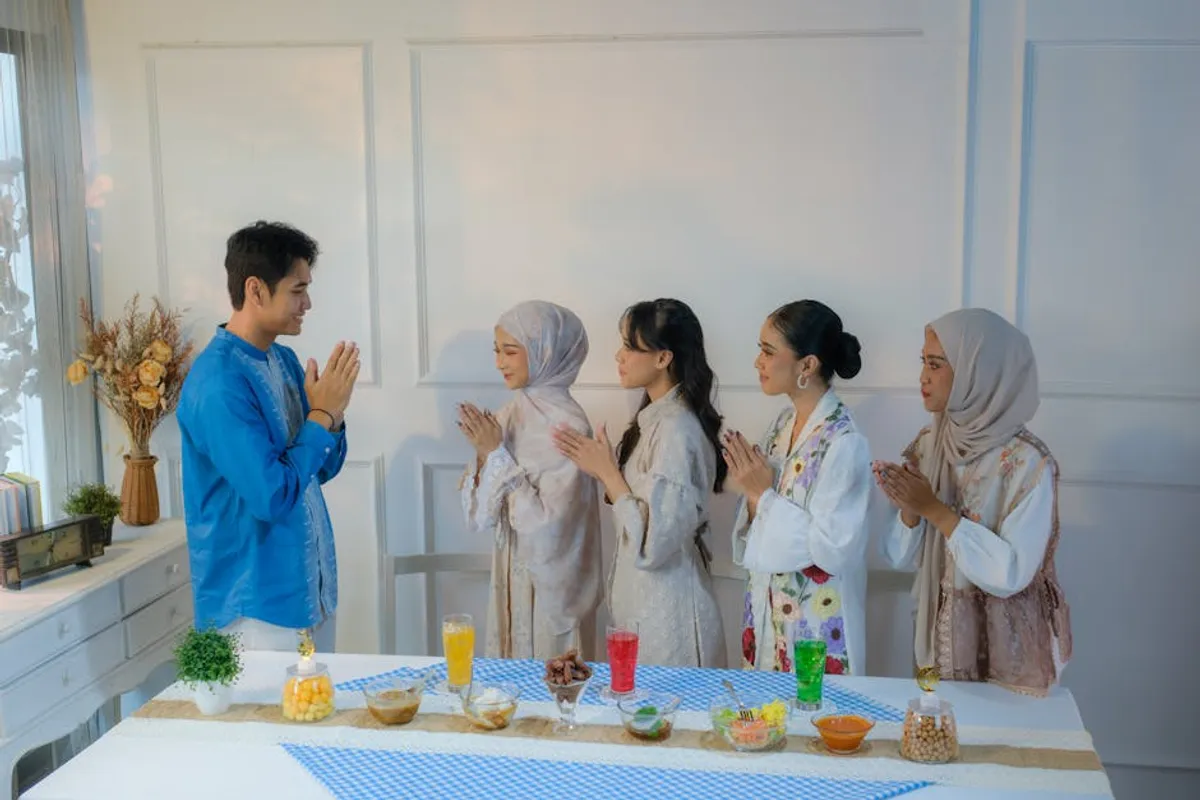
Following the Eid prayer, families typically gather for festive meals. Homes are often decorated, and special dishes are prepared, ranging from sweet treats to elaborate savory meals, depending on cultural traditions. These gatherings are significant for reinforcing family bonds, with relatives often traveling long distances to celebrate together. The atmosphere is generally joyous, marked by hospitality and sharing. It is common to visit the homes of extended family and friends throughout the day, exchanging greetings and well wishes.
Exchanging Gifts and Greetings
Gift-giving is a cherished tradition during Eid al-Fitr, particularly for children, who often receive money (known as "Eidi") or new clothes from elders. This practice adds to the festive mood and provides a sense of excitement for younger family members. Common greetings exchanged include "Eid Mubarak" (Blessed Eid) and "Kul 'am wa antum bi-khair" (May you be well every year), expressing wishes for happiness and prosperity. These exchanges foster goodwill and strengthen community ties.
Pro Tip: For those planning to observe Eid al-Fitr 2026, confirm the official moon sighting announcement from your local Islamic authorities or national religious council as early as possible. This ensures accurate planning for the Eid prayer and any community events, especially if travel or significant family gatherings are involved. Early confirmation helps avoid last-minute adjustments.
Preparing for Eid al-Fitr
Preparation for Eid al-Fitr often begins in the final days of Ramadan, encompassing both spiritual and practical aspects.
- Spiritual Readiness: Many Muslims engage in intensified acts of worship, prayer, and Quranic recitation during the last ten days of Ramadan, seeking spiritual purification and connection. This period also includes seeking forgiveness and making amends.
- Logistical Planning: This involves shopping for new clothes, especially for children, and preparing ingredients for special Eid meals. Many families also undertake thorough house cleaning and decoration to welcome guests.
- Community Engagement: Participating in community efforts to distribute Zakat al-Fitr or organize communal Eid celebrations is common. This active involvement reinforces the collective spirit of the festival.
Making Eid al-Fitr 2026 Meaningful
To fully embrace the spirit of Eid al-Fitr 2026, focus on its core tenets: gratitude, community, and charity. Plan to attend the Eid prayer, ensuring your Zakat al-Fitr is paid on time. Prioritize spending time with family and friends, fostering connections through shared meals and greetings. Consider extending kindness to neighbors and those in need, embodying the inclusive nature of the celebration. Engaging in these practices transforms Eid into a deeply personal and communally enriching experience, reflecting its significance as a joyous conclusion to Ramadan.
Frequently Asked Questions
What is the primary purpose of Eid al-Fitr?
Eid al-Fitr primarily celebrates the successful completion of the month-long fast of Ramadan, serving as a day of gratitude to God, communal joy, and charitable giving to ensure everyone can partake in the festivities.
How is the exact date of Eid al-Fitr determined?
The exact date is determined by the sighting of the new crescent moon, which marks the beginning of the Islamic month of Shawwal. This sighting is typically confirmed by local or national religious authorities, often leading to slight variations in dates across different regions.
What is Zakat al-Fitr, and when should it be paid?
Zakat al-Fitr is an obligatory charitable donation paid by every Muslim before the Eid al-Fitr prayer. Its purpose is to purify the fasting person and to provide food for the poor and needy, enabling them to celebrate Eid.
What are common greetings exchanged during Eid al-Fitr?
The most common greeting is "Eid Mubarak," which means "Blessed Eid." Other greetings include "Kul 'am wa antum bi-khair," meaning "May you be well every year," expressing wishes for continued health and prosperity.