
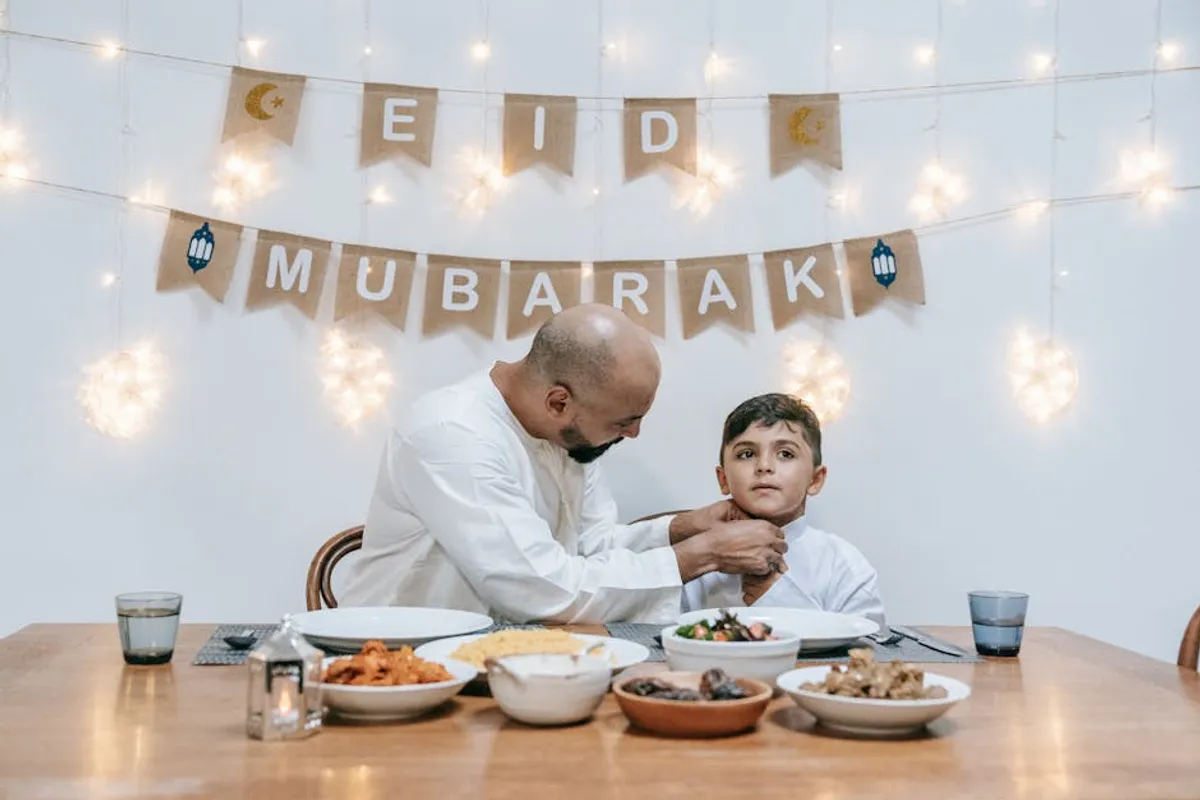
Eid al-Fitr marks the conclusion of Ramadan, the Islamic holy month of fasting. For publishers, marketers, and content strategists, understanding the nuances of this global celebration—its meaning, variable date, and core traditions—provides a critical foundation for engaging diverse audiences. This event generates significant search interest annually, driving queries across informational, transactional, and navigational categories. Effective content planning requires a precise grasp of its cultural weight and the specific timing challenges posed by its lunar calendar determination. This timing also helps readers understand the context of the other major Islamic festival, Eid al-Adha.
The Significance of Eid al-Fitr
Eid al-Fitr, often translated as "Festival of Breaking the Fast," is one of two major annual holidays celebrated by Muslims worldwide. It signifies the successful completion of Ramadan, a month of spiritual reflection, prayer, and fasting from dawn until sunset. The celebration is not merely an end to abstinence but a period of gratitude, community, and renewed spiritual commitment. Its core meaning centers on thanksgiving to Allah for strength during Ramadan, forgiveness, and charity.
Key aspects of its meaning include:
- Completion of Fasting: It marks the end of the obligatory fasting period, allowing Muslims to resume regular eating patterns during daylight hours.
- Gratitude and Thanks: A time for expressing gratitude for blessings received and for the spiritual growth experienced during Ramadan.
- Charity (Zakat al-Fitr): Before Eid prayers, Muslims are required to pay a specific amount of charity to the poor and needy, ensuring everyone can participate in the celebration. This is a distinct obligation from annual Zakat on wealth.
- Community and Family: It emphasizes communal prayer, visiting relatives, sharing meals, and fostering social bonds.
- Joy and Celebration: Despite its spiritual roots, Eid al-Fitr is a joyous occasion characterized by festive gatherings, new clothes, and gift-giving.
Determining the Date of Eid al-Fitr
Unlike holidays fixed to a Gregorian calendar date, Eid al-Fitr's timing shifts annually because it follows the Islamic lunar calendar. This calendar is based on the cycles of the moon, meaning each month begins with the sighting of the new crescent moon (hilal). The Islamic calendar year is approximately 10 to 12 days shorter than the Gregorian year, causing Islamic holidays to occur earlier in the Gregorian calendar each subsequent year. Understanding how the Islamic lunar calendar functions is key to grasping why these dates shift each year.
Eid al-Fitr falls on the first day of Shawwal, the tenth month of the Islamic calendar, immediately after Ramadan. The exact start of Shawwal, and thus Eid, is confirmed by the sighting of the new moon. This process can lead to slight variations in dates across different regions or Islamic authorities, as moon visibility depends on geographical location and atmospheric conditions. Some communities rely on local moon sightings, while others follow astronomical calculations or the declarations of religious authorities in Mecca or other major Islamic centers.
Implications for Content Planning
For content creators, this variable date necessitates a flexible and proactive approach:
- Monitoring Announcements: Brands and publishers must monitor official announcements from religious councils or national authorities regarding the moon sighting. This often occurs on the 29th day of Ramadan.
- Evergreen vs. Date-Specific Content: Develop evergreen content about the meaning and traditions of Eid, which remains relevant regardless of the year. Complement this with date-specific content that can be published or updated once the exact date is confirmed.
- Regional Variations: Acknowledge that different countries or even communities within a country might celebrate on slightly different days. Localized content strategies can account for this.
Pro Tip for Marketers: When planning Eid-related campaigns, prioritize cultural authenticity and sensitivity. Avoid generic or superficial portrayals. Focus on respectful representation of traditions, family values, and the spirit of gratitude and charity. Missteps can alienate audiences and damage brand perception. Ensure imagery, language, and messaging resonate genuinely with the celebratory and spiritual aspects of the holiday, rather than simply co-opting symbols without understanding their context.
Key Observances and Traditions
The celebration of Eid al-Fitr is rich with traditions that offer distinct content opportunities:
- Salat al-Eid (Eid Prayer): Muslims gather in large congregations at mosques or open fields for a special prayer, typically early in the morning. This communal act reinforces unity.
- Zakat al-Fitr (Charity): The obligatory donation of food or its monetary equivalent to the poor ensures that all Muslims can celebrate. This highlights themes of generosity and social responsibility.
- Festive Meals and Gatherings: Families and friends visit each other, share elaborate meals, and exchange gifts. Specific dishes vary by region but are central to the celebration.
- New Clothes and Decorations: People often wear new outfits and decorate their homes, symbolizing a fresh start and the joy of the occasion.
- Greetings: The common greeting is "Eid Mubarak," meaning "Blessed Eid."
Commercial and Search Relevance for Content Strategy
Eid al-Fitr presents a significant commercial window, akin to other major holiday seasons, for businesses targeting Muslim consumers. Search interest surges for related products, services, and information, creating diverse content opportunities.
High-Value Content Verticals:
- Food & Recipes: Searches for traditional Eid sweets, main courses, and catering services peak. Content can include recipe guides, meal planning tips, and local restaurant features.
- Fashion & Apparel: Demand for modest fashion, festive attire, children's clothing, and accessories is high. Gift guides, style inspirations, and designer spotlights are relevant.
- Gifts & Home Goods: Gift-giving is a central tradition. Content around gift ideas for family members, home decorations, and festive tableware performs well.
- Travel & Hospitality: Many families travel to visit relatives or take short breaks. Travel guides, hotel deals, and family-friendly destination content are valuable.
- Charitable Giving: Information on how and where to donate Zakat al-Fitr, or general charitable initiatives, sees increased engagement.
- Educational & Cultural Content: Explanations of Eid traditions, its history, and cultural variations appeal to both Muslim and non-Muslim audiences seeking understanding.
Search Intent Considerations:
- Informational: Queries like "what is Eid al-Fitr," "when is Eid al-Fitr [year]," "Eid traditions."
- Commercial/Transactional: Searches for "Eid gifts," "Eid clothes online," "Eid recipes," "Zakat al-Fitr donation."
- Navigational: "Mosque near me for Eid prayer," "Eid event [city]."
Aligning content with these distinct search intents allows for targeted SEO strategies, from comprehensive explainer articles to optimized product pages and local event listings.
Maximizing Engagement for Eid al-Fitr
To effectively engage audiences during Eid al-Fitr, content efforts should be multi-faceted and strategically timed. Begin planning several weeks in advance, focusing on evergreen topics, and then pivot to date-specific content once the moon sighting is confirmed. Leverage social media for real-time updates and community engagement, using relevant hashtags and interactive formats.
Consider creating content that highlights personal stories, community contributions, or the diverse ways Eid is celebrated globally. This approach builds connection and demonstrates a deeper appreciation for the holiday beyond purely commercial aspects. Ensure all content is accessible and inclusive, reflecting the global and diverse nature of the Muslim community.
Frequently Asked Questions About Eid al-Fitr
How is the exact date of Eid al-Fitr determined?
The date is determined by the sighting of the new crescent moon (hilal), which marks the beginning of the month of Shawwal in the Islamic lunar calendar. This typically occurs on the 29th or 30th day of Ramadan, leading to slight variations in celebration dates across different regions.
How long does Eid al-Fitr last?
While the core celebration and religious observances are concentrated on the first day of Shawwal, many communities extend the festivities for two or three days, enjoying family visits, meals, and social gatherings.
What are common greetings during Eid al-Fitr?
The most common greeting is "Eid Mubarak," which translates to "Blessed Eid." Other greetings might include "Kul 'am wa antum bi-khair," meaning "May you be well every year."
Why is Eid al-Fitr important to Muslims?
It is a significant religious holiday that marks the successful completion of Ramadan's fasting and spiritual journey. It's a time for gratitude, forgiveness, charity, community bonding, and celebrating spiritual renewal and blessings.