
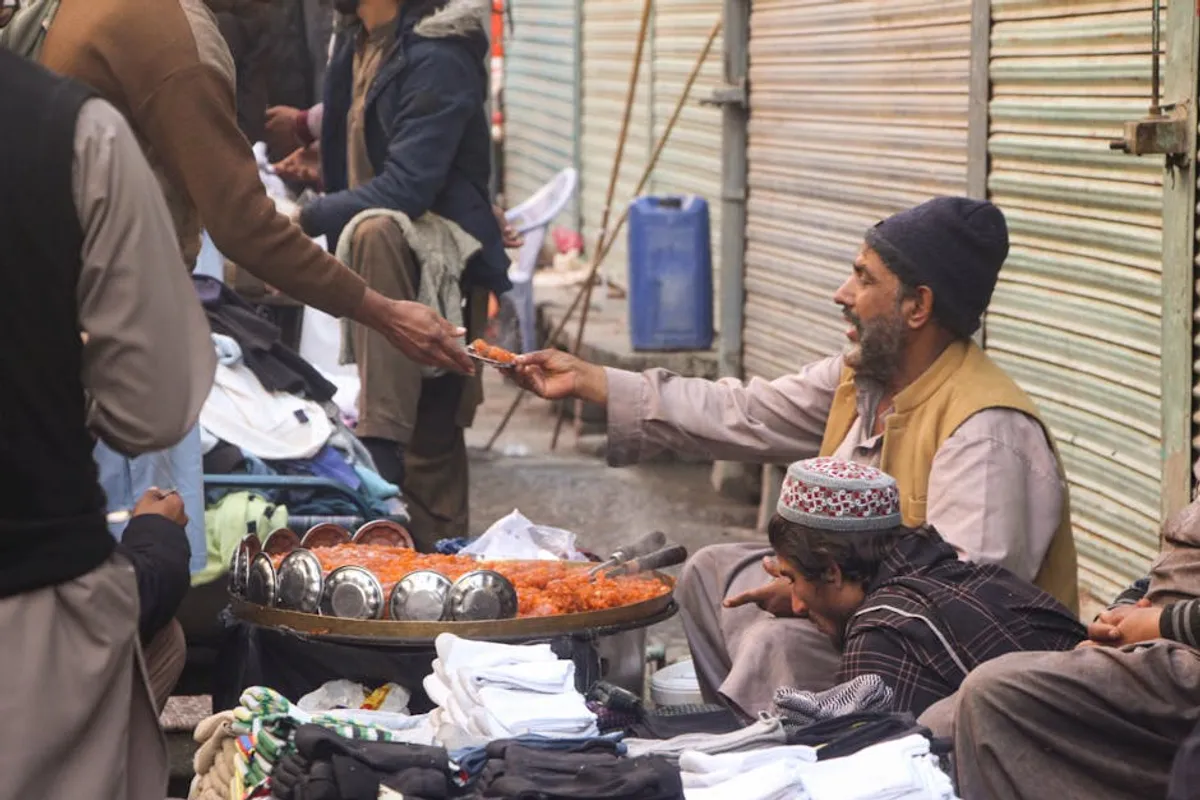
Zakat represents an obligatory annual payment in Islam, functioning as a fundamental pillar designed to purify wealth and support those in need. Far from a voluntary donation, Zakat is a religious duty for eligible Muslims, serving both as an act of worship and a mechanism for social welfare. Understanding its meaning and basic principles is crucial for anyone engaging with Islamic finance, community development, or cultural outreach within Muslim-majority populations. This system ensures wealth circulates within the community, aiming to alleviate poverty and foster economic justice rather than allowing capital to concentrate in a few hands.
Core Principles and Social Impact
The philosophical underpinnings of Zakat extend beyond simple charity. It is rooted in the belief that all wealth ultimately belongs to God, and humans are merely trustees. Paying Zakat acknowledges this trusteeship, purifying the remaining wealth and bringing blessings. Its social impact is multifaceted:
- Poverty Alleviation: Directly transfers wealth from the affluent to the poor, providing essential resources.
- Economic Justice: Reduces wealth disparity and promotes a more equitable distribution of resources within society.
- Spiritual Purification: For the payer, it is an act of obedience and gratitude, cleansing wealth from greed and attachment.
- Community Solidarity: Fosters a sense of mutual responsibility and strengthens communal bonds by ensuring no one is left behind.
- Economic Circulation: Encourages spending and investment rather than hoarding, as Zakat is due on idle wealth.
This systematic wealth redistribution mechanism has historically played a significant role in Islamic economies, contributing to stability and social cohesion.
Determining Eligibility: Nisab and Hawl
Not every Muslim is obligated to pay Zakat. Eligibility is determined by two primary criteria: Nisab and Hawl.
Nisab: This is the minimum threshold of wealth an individual must possess for Zakat to become obligatory. The Nisab value is typically equivalent to the value of 87.48 grams of pure gold or 612.36 grams of pure silver. These values fluctuate with market prices, so the monetary equivalent must be checked annually. Nisab applies to various forms of wealth, including cash, savings, gold, silver, business inventory, and certain investments.
Hawl: This refers to the lunar year that must pass while an individual's wealth remains at or above the Nisab threshold. Once wealth reaches Nisab, a full lunar year must elapse before Zakat becomes due on that wealth. This ensures that temporary fluctuations in wealth do not immediately trigger Zakat obligations.
Pro Tip: Accurately tracking your wealth and its value against the Nisab threshold throughout the lunar year is essential. Many Islamic financial institutions and charities offer Zakat calculators to assist with this, accounting for current market rates for gold and silver.
Calculating Zakat on Different Assets
The standard rate of Zakat on most forms of wealth is 2.5% of the total eligible assets that have met the Nisab and Hawl conditions. However, the calculation varies slightly depending on the asset type:
- Cash, Gold, Silver, and Savings: Calculated at 2.5% of the total value after meeting Nisab and Hawl. This includes money in bank accounts, physical cash, and the market value of gold and silver jewelry or bullion not used for personal adornment (or if it exceeds customary use).
- Business Assets: Zakat is due on the net liquid assets of a business, including cash, receivables, and inventory, after deducting immediate liabilities. The rate is 2.5%. Fixed assets like property, machinery, and equipment are generally exempt, unless they are held for resale.
- Agricultural Produce: Zakat on crops (known as Ushr) varies. If irrigated by rain or natural sources, the rate is 10% of the produce. If irrigated artificially (e.g., by wells or canals), the rate is 5%. This is typically paid at harvest time.
- Livestock: Zakat on cattle, sheep, goats, and camels follows specific, detailed schedules based on the number and age of animals. These calculations are more complex and depend on the type of animal and whether they graze freely.
The Eight Categories of Zakat Recipients
The Quran explicitly outlines eight categories of individuals and causes eligible to receive Zakat (Surah At-Tawbah, 9:60). These categories ensure that Zakat reaches those most in need, adhering to its social justice objectives:
- The Poor (Fuqara'): Those who have little to no means of sustenance.
- The Needy (Masakin): Those who are in difficult circumstances but are not utterly destitute.
- Zakat Administrators (Amil Zakat): Individuals appointed to collect and distribute Zakat.
- New Converts to Islam (Muallafatul Qulub): To strengthen their hearts and support them in their new faith.
- Those in Bondage (Ar-Riqaab): To free slaves or captives, or to help those in debt bondage.
- The Debt-Ridden (Gharimin): Those burdened by overwhelming debt incurred for legitimate needs.
- In the Cause of God (Fi Sabilillah): For efforts that promote Islam or serve the Muslim community, such as education or defense.
- The Wayfarer (Ibnus Sabil): Travelers who are stranded and in need of financial assistance.
Adhering to these categories is paramount for the valid distribution of Zakat funds.
Zakat al-Fitr: A Distinct Obligation
While Zakat al-Mal (Zakat on wealth) is an annual obligation on accumulated wealth, Zakat al-Fitr is a separate, smaller payment made specifically at the end of Ramadan, before the Eid al-Fitr prayer. This Zakat is obligatory on every Muslim, regardless of age or wealth, provided they have enough food for themselves and their dependents for the day of Eid. Its primary purpose is to cleanse the fasting person of minor sins or idle talk during Ramadan and to ensure that everyone, including the poor, can celebrate Eid. The amount is typically equivalent to the value of one sa' (approximately 2.5-3 kg) of staple food, such as rice, wheat, or dates, per person.
Navigating Zakat Obligations
Fulfilling Zakat obligations requires careful attention to detail, from calculating Nisab and Hawl to identifying eligible recipients. Many individuals choose to pay their Zakat through reputable Islamic charities and organizations, which have established systems for collection and distribution to the appropriate categories. These organizations often operate locally and internationally, ensuring funds reach those most in need across various communities. Understanding these basics is the first step toward fulfilling this fundamental religious and social duty, contributing to both individual spiritual growth and broader societal well-being.
Frequently Asked Questions
What is Nisab and how is it calculated?
Nisab is the minimum amount of wealth a Muslim must possess for Zakat to become obligatory. It is currently equivalent to the market value of 87.48 grams of pure gold or 612.36 grams of pure silver, and its monetary value must be checked annually against current market prices.
Can Zakat be paid to non-Muslims?
Generally, Zakat is distributed exclusively among the eight categories of recipients specified in the Quran, which primarily refer to Muslims in need or those whose hearts are to be reconciled to Islam. However, some scholars permit giving Zakat to non-Muslims if they fall under the category of "the needy" or "the wayfarer" in specific circumstances, though this is a minority view for Zakat al-Mal. Zakat al-Fitr is more strictly for Muslims.
What is the difference between Zakat and Sadaqah?
Zakat is an obligatory annual payment with specific rules regarding its calculation, timing, and recipients, forming a pillar of Islam. Sadaqah, on the other hand, refers to voluntary charitable giving, which can be given at any time, in any amount, and to anyone in need, without specific conditions or categories of recipients.
Is Zakat tax-deductible in all countries?
The tax-deductibility of Zakat depends entirely on the tax laws of the country where the payer resides. In some countries, donations to registered charitable organizations, including those that distribute Zakat, may be tax-deductible. It is advisable to consult local tax regulations or a tax professional for specific guidance.