
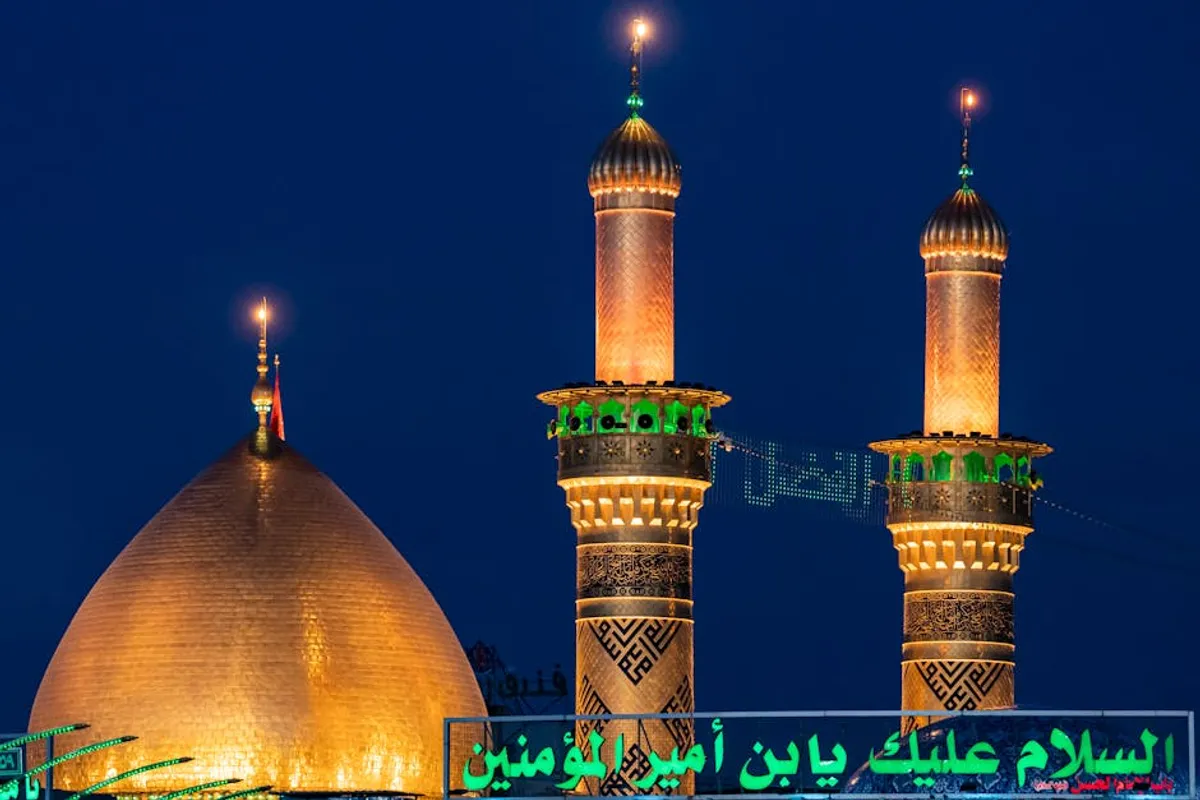
Muharram marks the beginning of the Islamic calendar, a month of profound spiritual weight and historical significance for Muslims worldwide. While it ushers in a new year, its observance is largely characterized by solemnity and remembrance, particularly for Shia Muslims who commemorate the martyrdom of Imam Hussein, the grandson of the Prophet Muhammad. For content creators, marketers, and publishers, understanding Muharram extends beyond a simple calendar date; it involves navigating deep cultural and religious sensitivities, ensuring accurate representation, and appreciating the diverse ways this period is observed across different communities. For content creators, marketers, and publishers, understanding Muharram extends beyond a simple calendar date; it involves navigating deep cultural and religious sensitivities, ensuring accurate representation, and appreciating the diverse ways people observe the Islamic months in order.
The Islamic New Year and Its Sacred Dimensions
Muharram is the first of the twelve months in the Hijri calendar, a lunar system distinct from the Gregorian calendar. Its name, derived from the Arabic word 'haram,' signifies 'forbidden' or 'sacred,' indicating its status as one of the four sacred months in Islam during which warfare is traditionally prohibited. While it is the start of a new year, it is not typically observed with celebratory festivities. Instead, the month often prompts reflection, prayer, and acts of charity among Muslims globally.
For many Sunni Muslims, the 10th day of Muharram, known as Ashura, holds particular significance. It is observed through voluntary fasting, recalling the Prophet Muhammad's practice and commemorating the salvation of Prophet Moses from Pharaoh. This fasting is seen as a means of atonement for past sins and a spiritual exercise.
Karbala: The Central Narrative of Muharram for Shia Muslims
The core of Muharram's profound observance, especially within Shia Islam, centers on the tragic events of the Battle of Karbala. In 61 AH (680 CE), Imam Hussein ibn Ali, along with his family and companions, was martyred by the forces of the Umayyad caliph Yazid I in Karbala, present-day Iraq. This event is not merely a historical footnote; it is a foundational narrative that shapes Shia identity, theology, and communal practices.
The martyrdom of Imam Hussein is viewed as a sacrifice for justice, truth, and the preservation of Islamic values against tyranny. His stand against an unjust ruler embodies principles of resistance and perseverance, resonating deeply with Shia communities globally. The first ten days of Muharram are dedicated to mourning, remembrance, and retelling the events of Karbala, culminating on Ashura.
Observances and Commemorative Practices
The ways in which Muharram is observed vary significantly between and within different Muslim communities, reflecting diverse cultural and theological interpretations. These practices are deeply ingrained and carry immense emotional and spiritual weight:
- Majalis (Gatherings): Shia communities hold regular gatherings where scholars recount the events of Karbala, deliver sermons on its lessons, and recite elegies (latmiya or noha) in memory of Imam Hussein and his companions. These gatherings foster communal solidarity and spiritual reflection.
- Matam (Mourning Rituals): Participants engage in ritualistic chest-beating or self-flagellation (though the latter is practiced by a minority and often discouraged by religious authorities) as a physical expression of grief and solidarity with the suffering of Imam Hussein.
- Processions: Large, organized processions take place in many cities with significant Shia populations. Participants march, carrying banners and replicas of historical artifacts, chanting elegies, and distributing food and drink (nazr) to passersby.
- Fasting: While Sunni Muslims often fast on Ashura, Shia Muslims typically abstain from food and drink for part of the day on Ashura, often until late afternoon, as a sign of grief.
- Avoiding Celebrations: During the first ten days, and sometimes throughout the entire month, Shia Muslims generally refrain from celebratory events such as weddings or parties, focusing instead on mourning.
Pro Tip for Content Creators: When developing content or campaigns related to Muharram, prioritize factual accuracy and cultural sensitivity. Misrepresenting the observances, trivializing the historical significance, or using celebratory imagery can alienate audiences and severely damage brand reputation. Consult with cultural or religious experts to ensure appropriate messaging and visuals.
Commercial and Content Strategy Implications
For agencies, publishers, and marketers targeting regions or demographics with significant Muslim populations, understanding Muharram is crucial for effective and respectful engagement. This period presents unique considerations for content scheduling, messaging, and visual choices:
Content Calendar Adjustments: Recognize that traditional marketing campaigns, particularly those with a festive or celebratory tone, may be inappropriate or poorly received during Muharram, especially in Shia-majority regions. Adjust content calendars to reflect this solemn period.
Sensitive Messaging: Craft messages that acknowledge the solemnity of the month without being overtly religious unless your brand explicitly caters to religious content. Focus on themes of reflection, remembrance, community, and resilience, where appropriate and authentic to your brand's voice.
Visual Cues: Avoid bright, festive colors or imagery typically associated with celebrations. Opt for more subdued palettes and respectful, neutral visuals if you must publish during this time. For content directly addressing Muharram, ensure visuals are historically and culturally accurate.
Educational Content Opportunities: There is a demand for accurate, informative content explaining Muharram's significance, history, and diverse observances. Brands or publishers in educational, cultural, or historical niches can create valuable resources that serve an informational search intent, provided they maintain strict accuracy and neutrality.
Navigating Observance with Respect
Muharram is a period of deep spiritual and historical resonance. For businesses and content creators operating in a globalized landscape, acknowledging and respecting these observances is not just a matter of cultural politeness but a critical component of building trust and avoiding missteps. A nuanced understanding allows for the creation of content that is both informative and respectful, fostering positive engagement rather than inadvertently causing offense.
Frequently Asked Questions
- Is Muharram a celebration or a period of mourning?
- For most Muslims, Muharram is a sacred month of reflection and spiritual devotion. For Shia Muslims, it is primarily a period of intense mourning and remembrance of the martyrdom of Imam Hussein, not a celebration.
- What is the significance of the 10th day of Muharram (Ashura)?
- Ashura holds significance for both Sunni and Shia Muslims. Sunni Muslims often fast on this day, commemorating the day Prophet Moses was saved from Pharaoh. Shia Muslims observe Ashura as the climax of the mourning period for Imam Hussein's martyrdom.
- Are there specific greetings for Muharram?
- Unlike other Islamic holidays, there are no celebratory greetings for Muharram. Instead, expressions like "May Allah accept your mourning" or "May you be granted strength in your remembrance" are sometimes used, reflecting the solemn nature of the month.
- How long do Muharram observances last?
- Muharram is an entire month in the Islamic calendar. However, the most intense period of mourning and remembrance, particularly for Shia Muslims, typically spans the first ten days, culminating on Ashura.