
Understanding Shia Islam: A Beginner's Guide
For those new to the study of world religions or seeking to clarify distinctions within Islam, understanding Shia Islam can initially seem complex. This guide provides a foundational overview, focusing on the core tenets, historical origins, and key practices that define Shia Islam. It aims to demystify common points of confusion and offer a clear entry point into appreciating its rich traditions and theological perspectives.
The Historical Schism and the Question of Succession
The primary divergence between Shia and Sunni Islam stems from a fundamental disagreement over who should have succeeded the Prophet Muhammad as the leader of the Muslim community after his death in 632 CE. Sunni Muslims believe that the Prophet did not designate a successor and that the community (Ummah) should choose its leader. They supported Abu Bakr, the Prophet's close companion, as the first Caliph.
Shia Muslims, however, maintain that the Prophet Muhammad explicitly designated his son-in-law and cousin, Ali ibn Abi Talib, as his rightful successor. They believe that leadership should remain within the Prophet's family, specifically through a line of divinely appointed Imams, who are considered infallible and the true spiritual and political guides of the community.
The Centrality of the Imamate and Ahl al-Bayt
The concept of the Imamate is the cornerstone of Shia theology. Unlike Sunni caliphs, who are seen as political leaders, Shia Imams are considered both spiritual and temporal authorities, possessing divine knowledge and impeccable moral character. They are believed to be the rightful interpreters of Islamic law and doctrine, serving as living proofs of God's guidance on Earth.
The "Ahl al-Bayt" (People of the House) refers to the Prophet Muhammad's immediate family, particularly Ali, his wife Fatima (the Prophet's daughter), and their sons Hassan and Hussein, along with their descendants. For Shias, the Ahl al-Bayt are paragons of virtue and spiritual purity, whose teachings and lives serve as an exemplary model for all Muslims. Their suffering and sacrifices, especially that of Imam Hussein, hold profound spiritual significance.
The Tragedy of Karbala and Its Enduring Legacy
The Battle of Karbala in 680 CE is a pivotal event in Shia history and theology. It commemorates the martyrdom of Imam Hussein, the grandson of the Prophet Muhammad, along with his family and companions, by the forces of the Umayyad Caliph Yazid I. This event is not merely a historical tragedy but a central narrative that embodies themes of justice, sacrifice, resistance against oppression, and unwavering devotion to divine truth.
The annual commemoration of Ashura, the tenth day of Muharram, involves mourning rituals, passion plays, and processions, serving as a powerful reminder of these ideals. This emphasis on suffering, sacrifice, and the pursuit of justice is a distinctive characteristic of Shia piety and communal identity.
Key Insight: Understanding Shia Islam requires recognizing that its theological framework is deeply intertwined with its historical narrative. The events of succession and martyrdom are not just past occurrences but continue to shape contemporary Shia identity, ritual, and spiritual practice, offering a unique lens through which to interpret Islamic teachings.
Major Branches of Shia Islam
While the term "Shia Islam" often refers to the largest group, the Twelvers, several distinct branches exist, each with its own lineage of Imams and interpretations:
- Twelvers (Ithna Ashari): The largest branch, prevalent in Iran, Iraq, Azerbaijan, and parts of Lebanon, Pakistan, and India. They believe in twelve divinely appointed Imams, with the twelfth Imam, Muhammad al-Mahdi, currently in occultation (hidden from view) and expected to return to establish justice on Earth.
- Ismailis: The second-largest branch, found in various communities worldwide, led by their living Imam, the Aga Khan. They differ from Twelvers in their lineage of Imams after the sixth Imam, Jafar al-Sadiq.
- Zaydis: Primarily found in Yemen, they are closer to Sunni Islam in some legal aspects. They believe that any descendant of Hassan or Hussein who rises up against an unjust ruler can be an Imam, rejecting the Twelver and Ismaili concept of a continuous, divinely appointed lineage.
Geographical Distribution and Cultural Expressions
Shia Muslims constitute approximately 10-15% of the global Muslim population. The largest Shia populations are found in:
- Iran (where it is the state religion)
- Iraq
- Bahrain
- Azerbaijan
- Significant communities also reside in Lebanon, Pakistan, India, Afghanistan, Saudi Arabia, and other parts of the world.
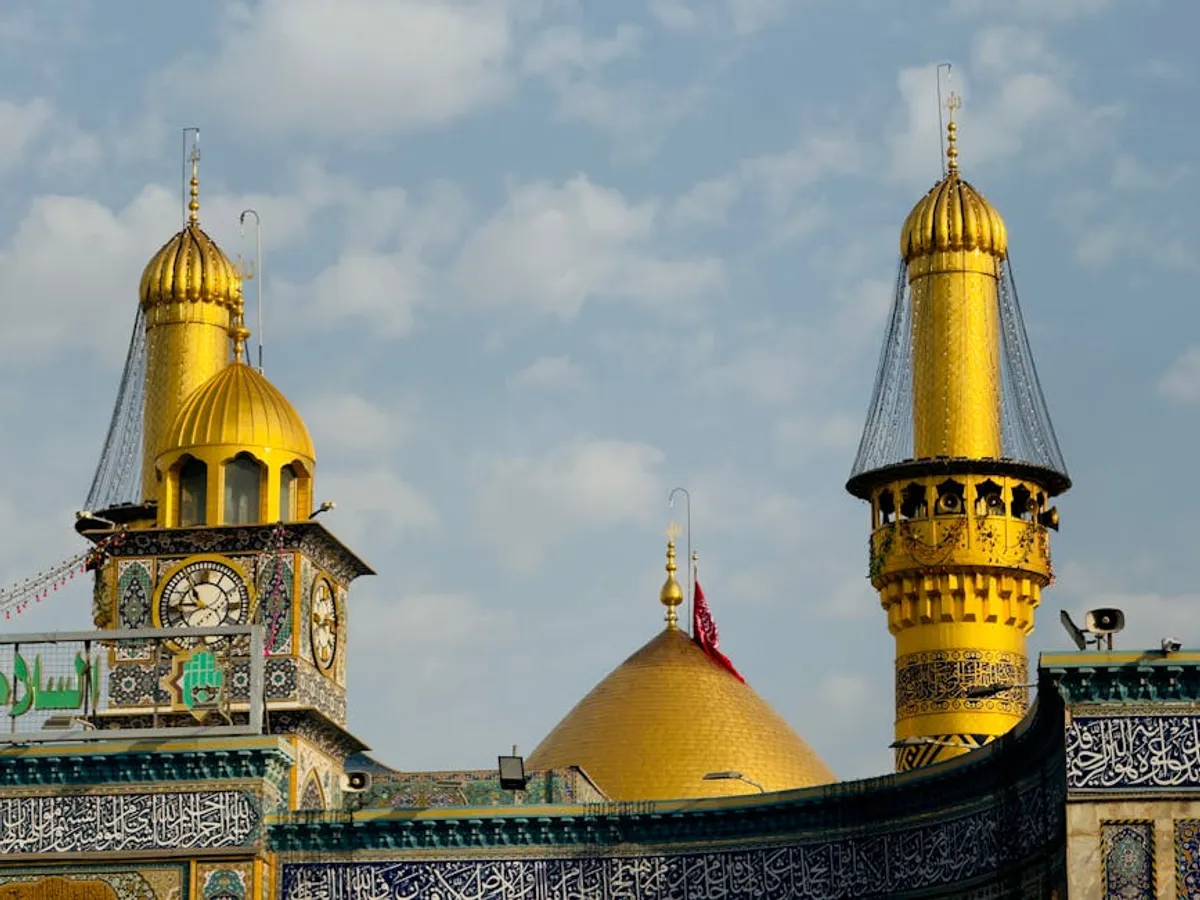
Shia culture is rich with distinctive artistic, literary, and devotional expressions, often centered around the lives of the Imams and the events of Karbala. Pilgrimage sites like Najaf and Karbala in Iraq, and Mashhad in Iran, are profoundly revered and attract millions of pilgrims annually.
Navigating Further Understanding
Exploring Shia Islam for beginners means recognizing its unique theological emphasis on divine leadership through the Imamate, the profound spiritual significance of the Ahl al-Bayt, and the enduring legacy of Karbala. It is a tradition marked by a deep sense of justice, sacrifice, and devotion to the Prophet's family. Approaching this topic with an open mind allows for a deeper appreciation of the diversity within the global Muslim community. This exploration serves as a foundational step towards what is Shia Islam, offering a beginner reference guide to its core beliefs.
Frequently Asked Questions
What is the main difference between Shia and Sunni Islam?
The primary difference lies in the succession to Prophet Muhammad. Shias believe leadership should pass through his bloodline via divinely appointed Imams, while Sunnis believe leaders (Caliphs) should be chosen by the community.
Who are the Imams in Shia Islam?
In Twelver Shia Islam, Imams are a line of twelve divinely chosen spiritual and political leaders from the Prophet Muhammad's family, starting with Ali ibn Abi Talib. They are considered infallible and the true interpreters of Islam.
What is the significance of Karbala for Shias?
Karbala marks the martyrdom of Imam Hussein, the Prophet's grandson, and his companions. It is a central event symbolizing sacrifice, resistance against injustice, and unwavering devotion, deeply shaping Shia identity and rituals, especially during Ashura.
Are all Shias the same?
No, Shia Islam has several branches, with Twelvers being the largest. Other significant branches include Ismailis and Zaydis, who differ primarily in their lineage of Imams and certain theological interpretations.