
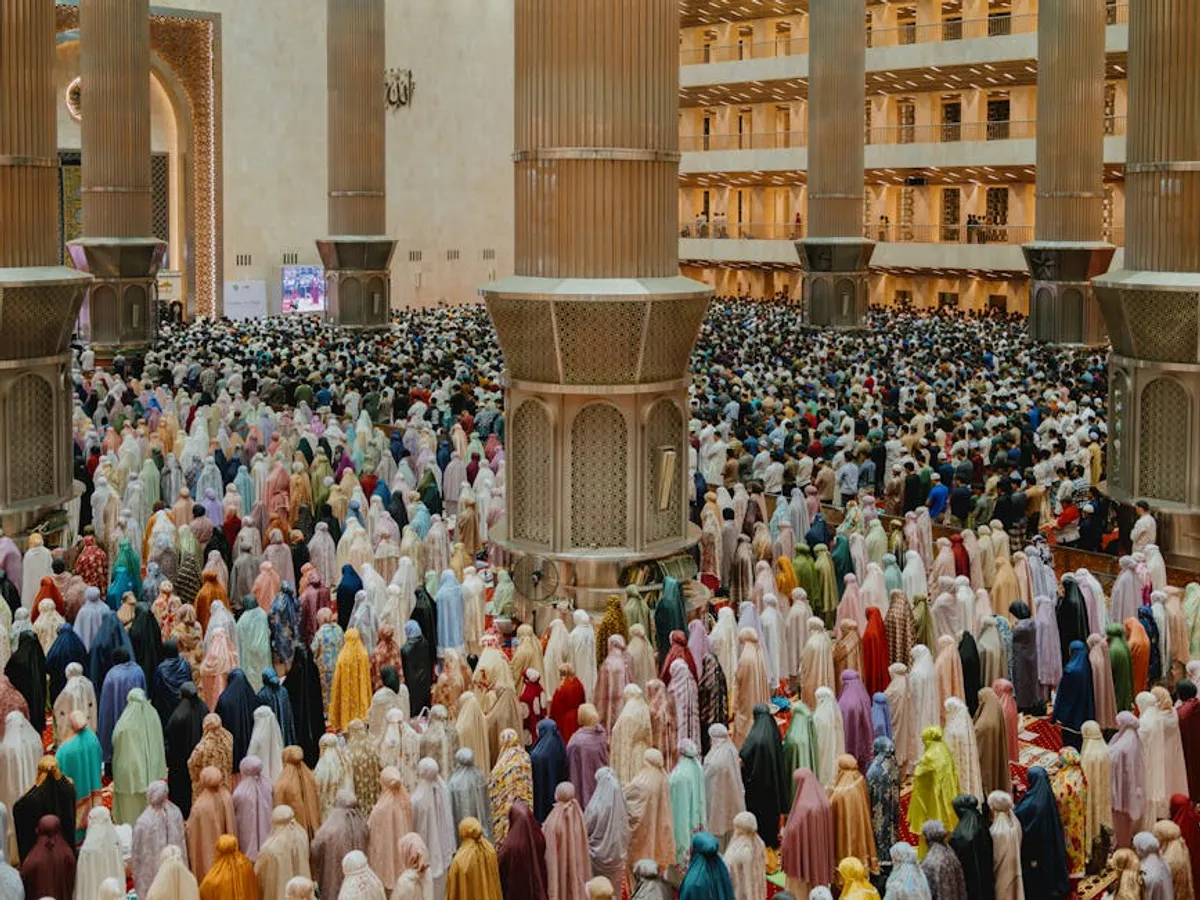
For businesses, content creators, and publishers targeting audiences in Muslim-majority regions or communities globally, understanding the precise timing of Ramadan and Eid is crucial for effective planning. Unlike holidays tied to the Gregorian calendar, these significant Islamic observances shift annually, presenting a unique challenge for content scheduling, marketing campaigns, and inventory management. This guide clarifies the astronomical and religious principles that determine Ramadan and Eid dates, providing the necessary context to navigate their variability and optimize your engagement strategies.
Understanding the Lunar Calendar and Islamic Months
The Islamic calendar, known as the Hijri calendar, is a purely lunar calendar. It consists of 12 lunar months, each beginning with the sighting of the new crescent moon (hilal). Because a lunar month is approximately 29.5 days long, a lunar year is typically 354 or 355 days, making it about 10 to 11 days shorter than the solar-based Gregorian calendar. This difference is precisely why Ramadan and Eid dates appear to "move" backward by roughly 10-11 days each year when viewed on a Gregorian calendar.
The New Moon Sighting Principle
The commencement of each Islamic month, including Ramadan and the months preceding Eid al-Fitr and Eid al-Adha, traditionally relies on the physical sighting of the new crescent moon. This sighting must occur after sunset on the 29th day of the preceding month. If the moon is sighted, the new month begins the following day. If it is not sighted due to weather conditions, geographical limitations, or the moon's position, the preceding month is extended to 30 days, and the new month begins on the day after that.
Global vs. Local Sighting Differences
A key factor contributing to date variations is the differing interpretations and methodologies for new moon sighting. Some Islamic authorities and regions adhere strictly to local physical sighting, meaning the start of Ramadan or Eid might vary from one country or even one city to another, depending on local visibility. Others adopt astronomical calculations to determine the moon's visibility, or follow a unified global sighting declaration, often from Mecca. These divergent approaches mean that precise dates can sometimes differ by a day across various communities or nations, necessitating careful monitoring for localized content strategies.
Ramadan: The Month of Fasting
Ramadan is the ninth month of the Islamic calendar, observed by Muslims worldwide as a month of fasting, prayer, reflection, and community. Fasting during Ramadan begins at dawn and ends at sunset, requiring significant adjustments to daily routines, consumption patterns, and commercial activity in many regions.
How Ramadan's Start Date is Determined
The start of Ramadan is marked by the sighting of the new crescent moon after the 29th day of Sha’ban, the eighth month. This declaration is typically made by religious authorities in each country or region. For instance, in many Gulf states, an official moon-sighting committee makes the announcement, often just hours before the first day of fasting. This short lead time requires flexibility in campaign launches and content deployment.
Implications for Content and Marketing Calendars
Key for: Planners, marketers, content creators.
The month of Ramadan sees shifts in consumer behavior. Evening activities, such as Iftar (breaking the fast) and Suhoor (pre-dawn meal), become central. There's often a surge in charitable giving, family gatherings, and purchases related to food, gifts, and religious items. Digital content consumption patterns also change, with increased activity during late-night hours. Marketers need to plan campaigns that align with these altered routines, focusing on themes of community, generosity, and spiritual reflection, often with a pre-Ramadan push for essential goods and services.
Pro Tip: Never launch time-sensitive campaigns based solely on projected Ramadan or Eid dates published months in advance. Always confirm the official declaration from relevant religious authorities in your target regions, as actual dates can shift by a day due to moon sighting. Build in a 24-48 hour buffer for critical campaign activations.
Eid al-Fitr: The Festival of Breaking the Fast
Eid al-Fitr, meaning "Festival of Breaking the Fast," marks the end of Ramadan. It is a joyous occasion celebrated with special prayers, family visits, gift-giving, and festive meals.
Determining Eid al-Fitr
Eid al-Fitr falls on the first day of Shawwal, the tenth month of the Islamic calendar. Its start is determined by the sighting of the new crescent moon after the 29th day of Ramadan. Similar to Ramadan, this declaration is made by religious councils, leading to potential one-day variations across different geographical locations.
Commercial and Cultural Significance
Key for: Retailers, travel industry, entertainment.
Eid al-Fitr is a major commercial period, often compared to Christmas or Thanksgiving in Western cultures. There is significant spending on new clothes, gifts, sweets, and travel. Families often travel to visit relatives, and communities organize large celebrations. Content strategies should focus on festive themes, gift guides, travel deals, and family-oriented promotions. Campaigns should ideally begin weeks before Eid to capture early shoppers and travelers.
Eid al-Adha: The Festival of Sacrifice
Eid al-Adha, "Festival of Sacrifice," is the second major Islamic festival and occurs later in the year. It commemorates Prophet Ibrahim's (Abraham's) willingness to sacrifice his son as an act of obedience to God.
Linking to the Hajj Pilgrimage
Eid al-Adha falls on the 10th day of Dhu al-Hijjah, the twelfth and final month of the Islamic calendar. Its timing is intrinsically linked to the annual Hajj pilgrimage to Mecca, which culminates around this period. The dates for Eid al-Adha are typically more globally unified than Eid al-Fitr because they follow the Hajj calendar, which is centrally determined in Saudi Arabia.
Planning for the Later Eid
Key for: Livestock markets, charitable organizations, travel.
While Eid al-Adha involves gift-giving and family gatherings, its commercial emphasis often shifts towards the sacrifice of an animal (Qurbani) and distributing meat to the needy. Charitable giving is prominent. Travel for Hajj also generates significant economic activity. Content should acknowledge themes of sacrifice, generosity, and pilgrimage. Planning can be slightly more predictable due to the Hajj calendar's influence, but local declarations still warrant attention.
Forecasting and Planning: Navigating Date Variability
The inherent variability of Ramadan and Eid dates necessitates a flexible and informed approach to content and marketing planning. Relying solely on historical patterns without understanding the underlying lunar mechanics can lead to misaligned campaigns.
Astronomical Calculation vs. Sighting
While astronomical calculations can predict the new moon's visibility with high accuracy, the adherence to physical sighting by many religious authorities introduces an element of uncertainty. Some countries, like Turkey, follow astronomical predictions, offering more stability. Others, particularly in the Middle East and South Asia, prioritize actual sighting, which can lead to last-minute announcements. Understanding your target audience's regional practices is paramount.
Practical Planning Strategies
To effectively manage content and campaigns around these variable dates, consider these strategies:
- Monitor Official Announcements: Regularly check official religious council websites or news sources in your target regions for the definitive declaration of Ramadan and Eid dates.
- Build in Flexibility: Design campaigns with adaptable launch dates and messaging that can be adjusted within a 24-48 hour window.
- Segment Audiences Geographically: Acknowledge that different regions might celebrate on different days. Tailor your communications accordingly.
- Focus on Themes, Not Just Dates: While specific dates are important, evergreen content around the spirit of Ramadan (reflection, charity) or Eid (celebration, family) can be prepared in advance and adapted.
- Pre-Event and Post-Event Content: Plan content for the weeks leading up to Ramadan and Eid, as well as follow-up content for the days immediately after, capturing different stages of consumer engagement.
Strategic Engagement Around Ramadan and Eid
Successfully engaging audiences during Ramadan and Eid goes beyond simply knowing the dates; it requires cultural sensitivity and a deep understanding of the associated behaviors and values. Businesses and content creators should align their messaging with the spirit of these observances, focusing on themes of community, generosity, family, and reflection. This approach fosters authenticity and resonates more effectively than generic promotional efforts. By embracing the nuances of the lunar calendar and regional variations, you can build trust and create impactful connections with your target audience during these significant periods.
Frequently Asked Questions
Why do Ramadan and Eid dates shift each year?
Ramadan and Eid dates are determined by the Islamic (Hijri) lunar calendar, which is about 10 to 11 days shorter than the Gregorian solar calendar. This difference causes the Islamic months, and thus these observances, to appear to move backward across the Gregorian calendar each year.
Are the dates the same worldwide?
Not always. While astronomical calculations can predict the new moon's visibility, many regions rely on the physical sighting of the crescent moon by local religious authorities. This can lead to variations of one day between different countries or communities.
How far in advance can I reliably predict the dates?
While astronomical projections provide a close estimate, the definitive dates for Ramadan and Eid al-Fitr are often not officially declared until the evening before they begin, based on actual moon sighting. Eid al-Adha dates tend to be more unified due to their link with the Hajj pilgrimage, but still require confirmation.
What's the difference between Eid al-Fitr and Eid al-Adha?
Eid al-Fitr marks the end of Ramadan, the month of fasting, and is celebrated with prayers, feasts, and gift-giving. Eid al-Adha, occurring later in the year, commemorates Prophet Ibrahim's sacrifice and involves prayers, family gatherings, and the ritual sacrifice of an animal to be shared with family, friends, and the needy.