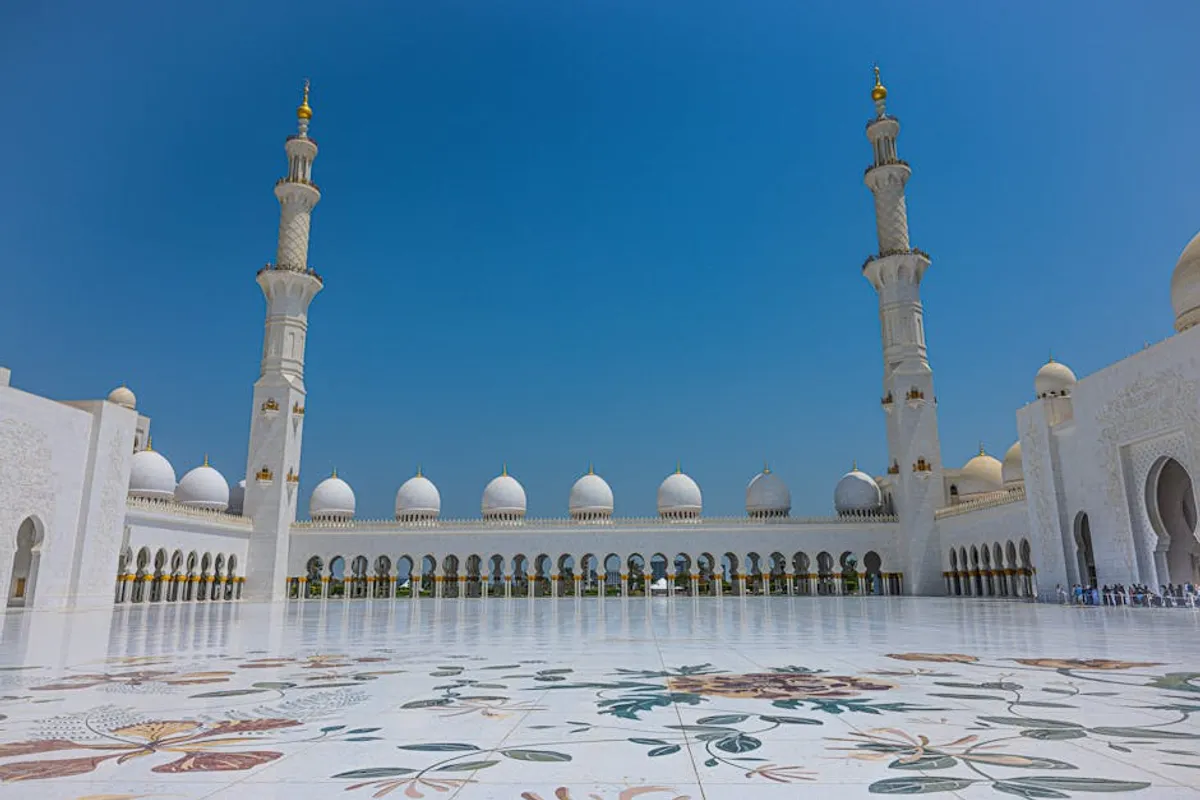
Visiting a mosque offers a unique opportunity to engage with Islamic culture and spirituality. For first-time visitors or those seeking to deepen their understanding, navigating the customs and traditions within these sacred spaces requires a degree of preparation and sensitivity. This guide outlines essential etiquette practices, ensuring a respectful and enriching experience for all.
Preparing for Your Visit
Thoughtful preparation before arriving at a mosque demonstrates respect for its spiritual significance and community. Adhering to these preliminary guidelines helps ensure a smooth and appropriate visit.
Appropriate Attire
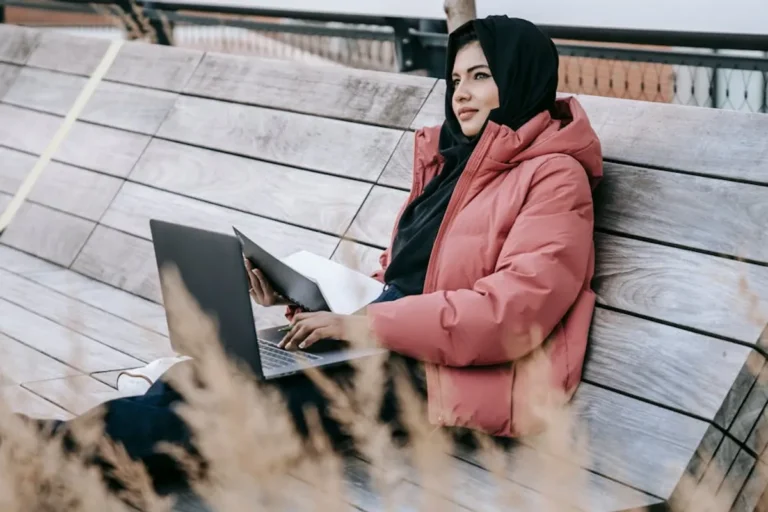
Modesty in dress is a cornerstone of mosque etiquette for both men and women. The aim is to cover the body respectfully, minimizing distractions and honoring the sacred environment.
- For Women: Wear loose-fitting clothing that covers the arms to the wrists and legs to the ankles. A head covering (hijab or scarf) is essential to cover hair, neck, and chest. Avoid transparent fabrics or clothing with prominent slogans.
- For Men: Wear loose, comfortable clothing that covers the knees and shoulders. Long trousers and shirts are generally appropriate. Sleeveless tops or shorts are typically not suitable.
Practical Tip: If you do not own suitable head covering or attire, many larger mosques offer loaner garments at the entrance. It is always best to inquire beforehand or carry a large scarf as a precaution.
Personal Cleanliness
Ritual purity (tahara) is highly valued in Islam, particularly before prayer. While visitors are not expected to perform ritual ablution (wudu), maintaining general cleanliness is important.
Consideration: Ensure you are clean and free from strong odors. Avoid strong perfumes or colognes that might be distracting to others, especially those with sensitivities.
Upon Arrival at the Mosque
The moment you step onto mosque grounds, specific customs begin. Observing these practices signifies your respect for the space and its worshippers.
Removing Footwear
It is customary to remove shoes before entering the main prayer areas. This practice maintains the cleanliness of the prayer rugs, which are used for prostration during prayer.
Procedure: Look for designated shoe racks or areas near the entrance. Place your shoes neatly to avoid obstructing pathways. Some mosques may have separate entrances or prayer areas for men and women, so observe signage or ask for guidance.
Greeting and Demeanor
Upon entering, maintain a calm and respectful demeanor. Loud conversations, boisterous laughter, or disruptive behavior are inappropriate in a place of worship.
Pro Tip: Observe the actions of regular congregants. If you are unsure about a particular custom, quietly watching how others behave can provide valuable cues without needing to ask directly.
Interaction: If you are greeted by a Muslim, a simple "Assalamu Alaikum" (peace be upon you) is a polite and appropriate response. A nod or a smile also conveys goodwill.
Inside the Prayer Hall
The main prayer hall is the heart of the mosque, a space dedicated to worship and contemplation. Your conduct here should reflect reverence.
Respecting Prayer Times
Muslims pray five times a day. If you visit during congregational prayer, be mindful not to walk in front of those praying. This is considered disrespectful as it breaks their concentration and connection with God.
Guidance: If a prayer is in progress, find a quiet spot at the back or side of the hall, or wait in a non-prayer area until it concludes. You are welcome to observe prayer silently from a distance.
Photography and Mobile Devices
While many mosques are architecturally stunning, discretion is key when taking photographs. Always seek permission before photographing individuals, especially those in prayer.
Etiquette: Silence your mobile phone. Avoid talking on the phone inside the prayer hall. If you must use your device, step outside or to a designated area.
Maintaining Sacred Space
The prayer hall is a place of spiritual focus. Avoid pointing your feet towards the Qibla (the direction of Mecca, indicated by the mihrab niche), as this is seen as disrespectful.
Behavior: Refrain from eating or drinking in the main prayer areas unless explicitly permitted or offered by hosts. Keep children close and ensure they do not run or play loudly, particularly during prayer times.
Engaging with the Community
Mosques are also community centers. Engaging respectfully can enhance your visit and foster understanding.
Asking Questions
Many mosques welcome visitors and are open to answering questions about Islam. Look for designated guides, community members, or staff who appear approachable.
Approach: Frame questions respectfully and with genuine curiosity. Avoid confrontational or judgmental tones. Weekends or designated open days are often the best times for extended discussions.
Children in the Mosque
Children are generally welcome in mosques, as they are seen as part of the community. However, parents are responsible for ensuring their children behave appropriately.
Supervision: Keep young children close and quiet, especially during prayer. If a child becomes disruptive, it is courteous to take them outside until they settle down.
Key Considerations for a Meaningful Visit
A visit to a mosque is an opportunity for cultural immersion and spiritual reflection. Approaching the experience with an open mind and a commitment to respectful engagement will ensure a positive outcome for both visitors and the host community. Remember that while general etiquette applies, specific customs can vary slightly between different mosques and regions. When in doubt, observe, ask politely, and prioritize respect for the sacred space and its congregants.
Frequently Asked Questions
Q: Do I need to be Muslim to visit a mosque?
A: No, mosques are generally open to people of all faiths or no faith, welcoming visitors interested in learning about Islam or simply appreciating the architecture and atmosphere.
Q: Can I take photos inside a mosque?
A: It depends on the mosque. Some allow photography in general areas but prohibit it during prayer or in specific sacred spaces. Always ask for permission, especially before photographing people.
Q: What should I do if I don't understand a custom?
A: The best approach is to observe what others are doing and follow suit, or politely ask a staff member or a local congregant for clarification. Most people are happy to assist respectful visitors.
Q: Are there separate entrances for men and women?
A: Yes, many mosques have separate entrances and prayer areas for men and women to maintain modesty and focus during worship. Look for clear signage or ask for direction upon arrival.