
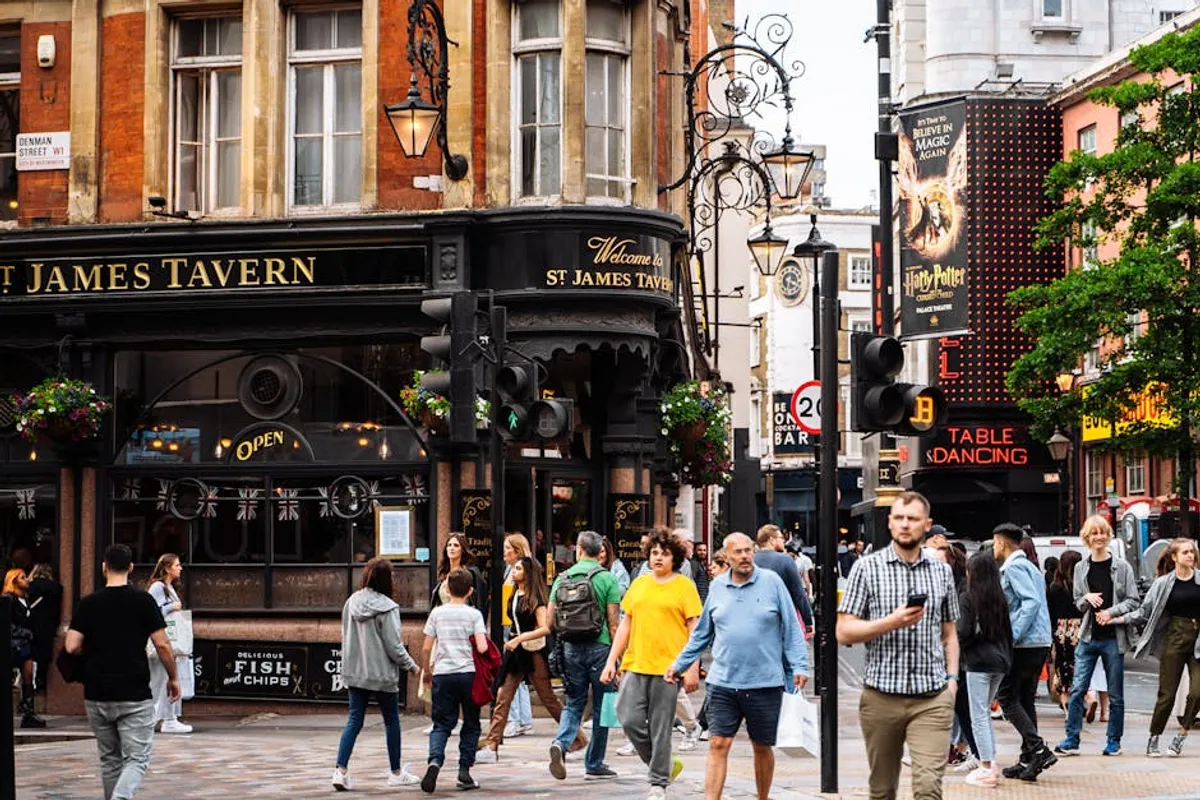
The website 'Mayfair London Review' appears to serve as a specialized content platform focusing on the upscale London district. Profiling its search traffic involves understanding how it addresses user queries related to luxury experiences, local attractions, lifestyle, and practical considerations within Mayfair. Its content strategy likely aims to capture diverse search intent, ranging from visitors planning trips to potential residents researching the area, and luxury consumers seeking specific recommendations. The site's organic visibility hinges on its ability to provide detailed, authoritative insights into a high-value geographical niche, differentiating itself through specific angles like safety and comparative analysis with alternative destinations.
What Mayfair London Review Appears to Cover
Mayfair London Review's content strategy centers on providing in-depth coverage of the Mayfair district. This includes editorial pieces that define "what Mayfair is" from various perspectives, such as its historical significance, current cultural landscape, and economic importance as a luxury hub. The site publishes articles detailing specific "features" of the district, which can encompass high-end retail establishments, fine dining restaurants, exclusive hotels, art galleries, and cultural venues. It also covers lifestyle aspects, including real estate trends, private member clubs, and bespoke services available in the area. A distinct content category addresses "safety" within Mayfair, likely discussing general visitor advice, personal security, and common precautions relevant to an affluent urban environment. Furthermore, the site explores "alternatives" to Mayfair, providing comparative analyses of other luxury districts globally or within London that offer similar experiences, amenities, or investment opportunities.
Where Its Search Traffic May Come From
Search traffic for Mayfair London Review likely originates from a blend of informational and commercially-oriented queries. Informational searches might include terms like "history of Mayfair London," "best art galleries Mayfair," or "what to do in Mayfair." Commercial investigation queries could involve "luxury hotels Mayfair reviews," "fine dining Mayfair recommendations," or "Mayfair property market analysis." The site may also attract users searching for specific brand names or establishments within Mayfair, indicating a more transactional intent. Long-tail keywords focusing on niche aspects, such as "Mayfair private shopping experiences" or "safety tips for tourists in Mayfair," would contribute to its organic reach. Geographically, traffic would primarily stem from users planning visits to London, those residing in or near the city, and international luxury consumers or investors researching high-end districts.
Search Intent Behind Mayfair London Review
The content published by Mayfair London Review targets several distinct search intents. Informational intent is addressed through articles explaining the district's character, history, and general attractions. Users with commercial investigation intent seek detailed comparisons, reviews, and recommendations for specific services, products, or experiences in Mayfair (e.g., "best Mayfair restaurants with private dining," "Mayfair luxury apartment rental guide"). Navigational intent might be captured by branded searches for the site itself or for well-known landmarks and businesses within Mayfair that the site extensively covers. While direct transactional intent (e.g., booking a hotel directly from the site) is less likely for a content-focused domain, the site's comprehensive reviews and recommendations serve as crucial pre-purchase research, guiding users towards making booking or buying decisions elsewhere. The "safety" content caters to users seeking reassurance and practical advice, while "alternatives" content serves users exploring comparative options before committing to a Mayfair-centric plan.
Why Traffic May Rise or Fall
Organic traffic to Mayfair London Review can fluctuate based on several factors. A rise might occur due to consistent publication of fresh, authoritative content that aligns with evolving search trends, such as coverage of new luxury openings, seasonal events, or updated safety guidelines. Improved E-E-A-T (Experience, Expertise, Authoritativeness, Trustworthiness) signals, demonstrated through detailed, well-researched articles and credible author profiles, can enhance its standing in competitive SERPs. Conversely, traffic could fall if the site fails to update evergreen content, leading to outdated information on establishments or local conditions. Increased competition from other luxury lifestyle publications or travel guides that offer more comprehensive or timely Mayfair-specific content could also dilute its search visibility. Changes in Google's ranking algorithms that prioritize different content types or user experience signals would also impact its performance.
How the Site Could Improve Organic Visibility
To enhance organic visibility, Mayfair London Review could focus on several strategic areas. Developing comprehensive topic clusters around key Mayfair attractions, services, and lifestyle aspects would establish deeper topical authority. For instance, creating a cluster around "Mayfair fine dining" could include articles on specific restaurant reviews, culinary trends, chef profiles, and reservation tips. Implementing robust internal linking that connects related content helps distribute page authority and aids user navigation. Identifying and filling content gaps, particularly for long-tail keywords related to specific Mayfair experiences or niche services, could capture underserved search queries. Optimizing for local SEO signals, even for a content site, by ensuring accurate and consistent mentions of addresses, phone numbers, and business names within its articles, can help it rank for location-specific queries. Regularly auditing existing content for freshness and factual accuracy is also crucial to maintain relevance and trust. Building a strong backlink profile from other reputable travel, luxury, or lifestyle publications would further boost its domain authority.
What to Check Before Trusting Traffic Estimates
When evaluating traffic estimates for Mayfair London Review, it's important to consider the methodologies and limitations of the data sources. Many third-party tools rely on sampled data, extrapolated from clickstream panels, which may not perfectly reflect actual visitor numbers. These estimates often struggle to accurately account for highly niche or localized traffic, which a site focused on Mayfair might attract. Furthermore, they typically do not differentiate between organic search traffic, direct traffic, referral traffic, or social media traffic, making it difficult to isolate SEO performance. The accuracy of keyword volume data can also vary, especially for highly specific or emerging terms. It is essential to cross-reference data from multiple sources and understand that these figures are directional indicators rather than precise measurements of a site's true audience or revenue potential. Direct access to a site's own analytics (e.g., Google Analytics) remains the most reliable method for understanding its traffic patterns.
Frequently Asked Questions
What kind of content does Mayfair London Review publish?
The site publishes editorial content covering various aspects of Mayfair, including luxury establishments, cultural venues, lifestyle trends, safety considerations, and comparisons with alternative high-end districts.
Who is the target audience for Mayfair London Review's content?
Its audience typically includes luxury travelers, high-net-worth individuals, potential residents, investors, and anyone seeking detailed information or recommendations about Mayfair, London.
How does Mayfair London Review address user safety concerns?
The site includes dedicated content categories and articles that discuss general safety advice, personal security tips, and precautions relevant to visiting or residing in an affluent urban environment like Mayfair.
Does Mayfair London Review offer comparisons to other luxury destinations?
Yes, a portion of its content focuses on "alternatives," providing comparative analyses of other luxury districts within London or globally that offer similar experiences, amenities, or investment opportunities.