
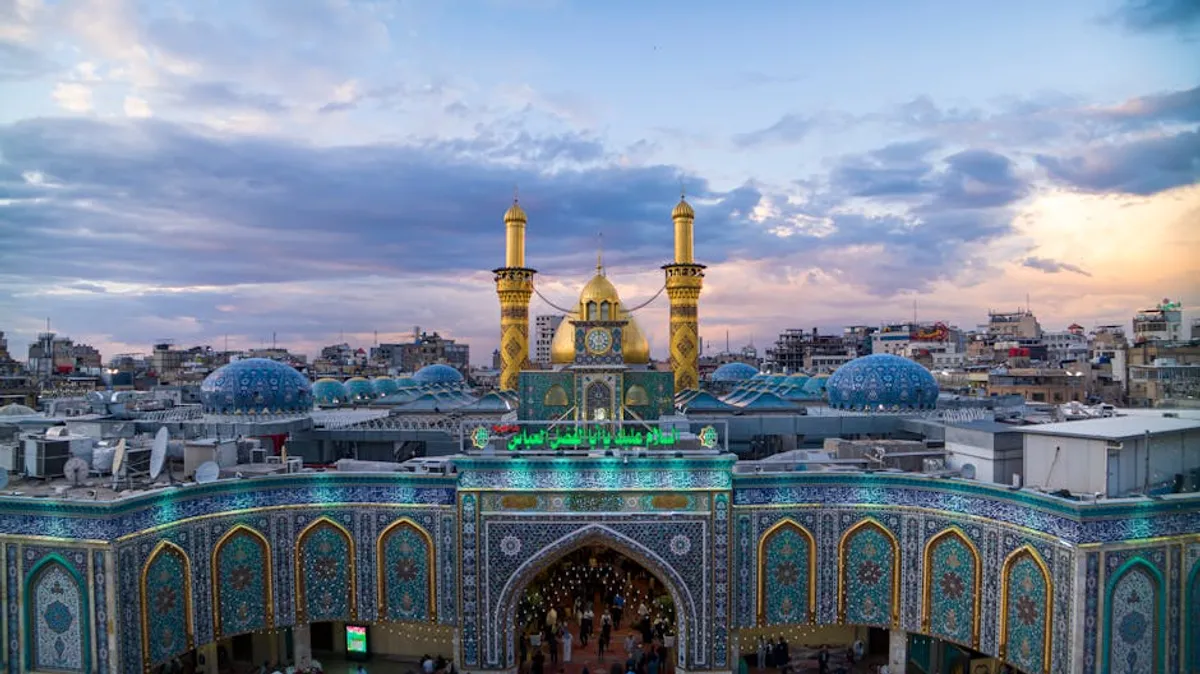
For publishers, marketers, and SEO professionals, "Karbala" represents a complex, high-volume topic with a diverse range of user intents. Approaching this subject requires a nuanced understanding of its historical, religious, and cultural significance, alongside a strategic framework for content creation and optimization. The goal is not merely to explain the event, but to understand how various audiences interact with this topic online, and how to effectively serve their information needs while maintaining commercial viability and ethical integrity.
Understanding Search Intent for "Karbala"
The keyword "Karbala" encompasses a broad spectrum of user intentions, making precise content mapping crucial for SERP visibility. General searches often reveal a mix of informational, navigational, and even nascent commercial queries.
- Informational Intent: This is the dominant intent. Users seek historical facts, religious significance, biographies of key figures (e.g., Imam Husayn, Yazid I), and the timeline of events. Content addressing this intent includes detailed historical accounts, theological explanations, and educational resources.
- Navigational Intent: Users may be looking for specific organizations, academic institutions, or media outlets known for their coverage of Karbala. This often involves branded searches or direct site visits.
- Commercial/Transactional Intent: While less direct, this intent exists. Users might search for books, documentaries, religious artifacts, or travel packages to pilgrimage sites associated with Karbala. This intent requires content that subtly guides users towards relevant products or services.
A comprehensive content strategy must cater to each of these intents, often within a structured content hub or pillar page model, to capture a wider audience and establish topical authority.
Developing a Comprehensive Content Strategy
Building out content around "Karbala" demands a multi-faceted approach, moving beyond simple definitions to address the depth and breadth of user inquiries. Content should be authoritative, accessible, and designed for long-term relevance.
Long-Form Educational Content
Detailed articles, essays, and whitepapers that delve into the historical context, theological interpretations, and socio-political impact of Karbala are essential. These pieces serve informational intent, aiming for depth and accuracy. They should be meticulously researched, citing credible sources, and structured with clear headings and internal links to related topics.
Event-Specific and Commemorative Content
The annual commemoration of Ashura generates significant search spikes. Content plans should include timely articles, guides, and explainers related to the rituals, traditions, and contemporary significance of these events. This type of content benefits from real-time optimization and promotion during relevant periods.
Visual and Multimedia Assets
Given the emotional and historical weight of Karbala, visual content is highly effective. Infographics illustrating timelines, maps of historical locations, video documentaries, and audio narratives can significantly enhance user engagement and retention. These assets also provide opportunities for rich snippet optimization and social media sharing.
Community Engagement and User-Generated Content
Platforms that allow for respectful discussion, personal reflections, or shared experiences related to Karbala can foster a strong community. Moderated forums, comment sections, or even curated user submissions can add a layer of authenticity and diverse perspectives, provided they are managed carefully to maintain a positive and informative environment.
Pro Tip: When developing content for a sensitive topic like Karbala, prioritize factual accuracy and cultural sensitivity above all else. Misinformation or disrespectful framing can severely damage credibility and lead to negative audience reactions. Always consult subject matter experts and cross-reference multiple reputable sources before publication.
Key Audience Segments and Their Needs
Identifying distinct audience segments allows for tailored content delivery, maximizing relevance and engagement.
- Religious Adherents: Seek spiritual guidance, interpretations of religious texts, and resources for commemoration. Content should be reverent and provide spiritual context.
- Historians and Academics: Require scholarly articles, primary source analysis, and critical interpretations. Content must be rigorously researched and academically sound.
- General Public/Curious Learners: Look for accessible overviews, simplified explanations, and basic historical facts. Content should be engaging and easy to understand without sacrificing accuracy.
- Travelers/Pilgrims: Seek practical information on visiting historical sites, travel logistics, and cultural etiquette. Content should be informative and actionable.
Monetization Avenues for Karbala-Related Content
Monetizing content around Karbala requires careful consideration of the topic's sensitive nature. Direct, aggressive monetization can be perceived negatively, so strategies should be subtle and value-driven.
- Affiliate Marketing: Linking to relevant books (historical, theological), documentaries, academic journals, or even reputable travel agencies offering pilgrimage tours.
- Display Advertising: Contextual ads can be placed, but strict controls on ad content are necessary to ensure relevance and appropriateness.
- Direct Sales: Offering educational courses, premium historical analyses, or curated merchandise (e.g., calligraphy, art prints) that respects the cultural context.
- Donations/Membership: For non-profit or educational platforms, a donation model or a membership for exclusive content can be effective.
Optimizing for Discoverability and Authority
Technical SEO and authority building are critical for a topic with significant competition and depth.
Schema Markup Implementation
Utilize schema.org markup for historical events, religious figures, and organizations to help search engines better understand and categorize your content. Event schema for Ashura commemorations, Person schema for key historical figures, and Organization schema for associated institutions can enhance visibility in rich snippets.
Internal Linking Strategy
Create a robust internal linking structure that connects related articles, historical figures, and thematic clusters. This not only aids user navigation but also distributes link equity, signaling topical depth and authority to search engines.
Backlink Acquisition
Earning backlinks from reputable academic institutions, religious organizations, historical societies, and news outlets is paramount. This requires creating truly valuable, well-researched content that other authoritative sites will naturally want to reference.
Strategic Content Planning for Karbala
Effectively addressing "Karbala" as a content pillar demands a long-term vision. Begin by conducting thorough keyword research to identify specific user queries across all intent types. Map these queries to distinct content pieces, ensuring each article provides unique value. Prioritize accuracy and sensitivity, building trust with your audience through verifiable information and respectful presentation. Continuously monitor SERP trends and audience feedback to refine your strategy, ensuring your content remains relevant, authoritative, and discoverable for the diverse communities seeking knowledge about Karbala.
Frequently Asked Questions
What is the primary search intent for "Karbala"?
The primary search intent for "Karbala" is predominantly informational, with users seeking historical facts, religious significance, and biographical details of key figures involved in the event.
How can content creators ensure accuracy when covering Karbala?
Content creators should prioritize accuracy by consulting multiple reputable historical and religious sources, engaging subject matter experts for review, and maintaining a neutral, respectful tone that avoids sensationalism.
What monetization strategies are suitable for Karbala-related content?
Suitable monetization strategies include affiliate marketing for relevant books or travel, contextual display advertising with strict controls, direct sales of educational materials, and donation or membership models for non-profit initiatives.
How does visual content enhance Karbala-related topics?
Visual content, such as infographics, maps, and documentaries, significantly enhances understanding and engagement by illustrating complex historical timelines and geographical contexts, making the information more accessible and memorable.