
Karbala Explained: History and Religious Importance
The city of Karbala, located in modern-day Iraq, is a name synonymous with a pivotal event in Islamic history—the Battle of Karbala. This 7th-century confrontation, though militarily brief, carries immense religious and spiritual weight, particularly within Shi'a Islam, and its echoes resonate across the wider Muslim world and beyond. Understanding Karbala requires delving into the historical circumstances that led to the tragic events, as well as appreciating the profound theological and moral lessons derived from them. This exploration aims to provide a concrete overview of Karbala's historical narrative and its enduring religious significance, framing why it remains a central point of devotion, remembrance, and inspiration for millions. Understanding these foundational events often involves learning about the key figures in Shia Islamic history who played significant roles.
Historical Context: The Battle of Karbala
The Battle of Karbala occurred on the 10th day of Muharram, in the year 61 AH (October 10, 680 CE). It involved a small group led by Husayn ibn Ali, the grandson of the Prophet Muhammad, against a much larger military force sent by Yazid I, the Umayyad caliph. The conflict arose from a dispute over the legitimate leadership of the Muslim community following the death of Mu'awiya I, Yazid's father.
Precursors to the Conflict
Following the Prophet Muhammad's passing, the question of succession led to various political and religious divisions. Ali ibn Abi Talib, the Prophet's son-in-law and cousin, eventually became the fourth caliph, but his reign was marked by civil strife. After Ali's assassination, his eldest son, Hasan, briefly held the caliphate before abdicating in favor of Mu'awiya I, under a treaty that stipulated Mu'awiya would not appoint a successor but allow the community to choose. However, Mu'awiya later violated this agreement by nominating his son Yazid as his successor, transforming the caliphate into a hereditary monarchy. This move was met with significant opposition from prominent figures, including Husayn ibn Ali, who viewed it as a deviation from Islamic principles of leadership based on merit and consultation.
The Day of Ashura
Husayn, refusing to pledge allegiance to Yazid, left Medina for Mecca and then, in response to invitations from the people of Kufa (in modern-day Iraq), set out for that city. However, Yazid's forces intercepted Husayn and his companions—a group comprising family members, including women and children, and a small number of loyal followers—at Karbala. For several days, they were denied access to water. On the 10th of Muharram, after Husayn's repeated attempts to resolve the conflict peacefully were rejected, Yazid's army launched an attack. The ensuing battle saw Husayn's small contingent valiantly resist, but they were ultimately overwhelmed. Husayn, along with most of his male companions, including his infant son Ali al-Asghar, were martyred. The surviving women and children were taken captive to Damascus.
Key Figures and Their Roles
- Husayn ibn Ali: The central figure, grandson of Prophet Muhammad, who stood against what he perceived as illegitimate rule and corruption. His refusal to compromise on principles of justice and legitimate leadership defines his role.
- Yazid I: The Umayyad caliph whose demand for allegiance and subsequent military actions led directly to the tragedy.
- Zaynab bint Ali: Husayn's sister, who played a crucial role in preserving the message of Karbala after the battle, through her powerful speeches in Kufa and Damascus, challenging Yazid's authority and narrating the events.
- Abbas ibn Ali: Husayn's half-brother, a revered figure for his unwavering loyalty and bravery in attempting to fetch water for the besieged camp.
- Ali ibn al-Husayn (Zayn al-Abidin): Husayn's son, who survived the massacre due to illness and became the fourth Shi'a Imam, continuing the lineage and preserving the teachings of his father and grandfather.
Religious Importance and Impact
The Battle of Karbala is not merely a historical event; it is a foundational narrative that profoundly shapes religious identity, ethical frameworks, and spiritual practices, particularly within Shi'a Islam. Its importance extends beyond the immediate historical context, serving as a perpetual source of inspiration and reflection.
Sacrificial Narrative and Martyrdom
Karbala is interpreted as the ultimate act of sacrifice (fida) in defense of truth, justice, and divine principles. Husayn's martyrdom is seen as a conscious decision to uphold Islamic values against tyranny, even at the cost of his life and the lives of his family. This narrative emphasizes the concept of principled resistance and the idea that true faith demands standing firm against oppression, regardless of the odds. The suffering endured by Husayn and his companions is viewed as a redemptive sacrifice, purifying the community and setting an example for future generations.
Shaping Shi'a Identity and Practice
For Shi'a Muslims, Karbala is central to their collective identity and worldview. It forms the core of their piety, remembrance, and mourning rituals, particularly during the month of Muharram and the subsequent 40-day period leading up to Arba'een. These commemorations involve:
- Majalis (Gatherings): Public and private assemblies where the story of Karbala is recited, elegies (marsiya) are performed, and sermons are delivered, focusing on the moral and spiritual lessons.
- Matam (Mourning Rituals): Symbolic acts of grief, such as chest-beating, to express sorrow and solidarity with Husayn's suffering.
- Processions: Large public demonstrations of mourning, often involving symbolic representations of the events of Karbala.
These practices serve to keep the memory of Karbala alive, instill its values, and reinforce communal bonds.
Universal Lessons and Moral Imperatives
Beyond its specific religious context, Karbala offers universal lessons on courage, integrity, justice, and the fight against injustice. It highlights the importance of moral leadership, the dangers of corruption, and the responsibility of individuals to speak truth to power. The narrative transcends sectarian boundaries, resonating with anyone who champions human dignity and resistance against oppression. It underscores that true victory is not always defined by military success, but by upholding principles and inspiring future generations.
Pro Tip: When engaging with the narrative of Karbala, focus on understanding the moral and ethical dimensions it presents. The depth of its impact often lies in its universal themes of sacrifice, justice, and resistance, which resonate across diverse cultural and religious backgrounds.
Pilgrimage and Commemoration
Karbala is one of the most sacred sites for Muslims, particularly Shi'a, attracting millions of pilgrims annually. The city is a vibrant center of devotion, scholarship, and cultural expression.
The Holy Shrines
The city houses the elaborate shrines of Imam Husayn and his half-brother Abbas. These shrines are architectural marvels, adorned with intricate tilework, calligraphy, and precious metals. Pilgrims visit these sites to pay homage, offer prayers, and seek spiritual solace. The area around the shrines is a complex of mosques, seminaries, and charitable institutions, supporting the spiritual and educational needs of visitors and residents.
Arba'een: A Global Observance
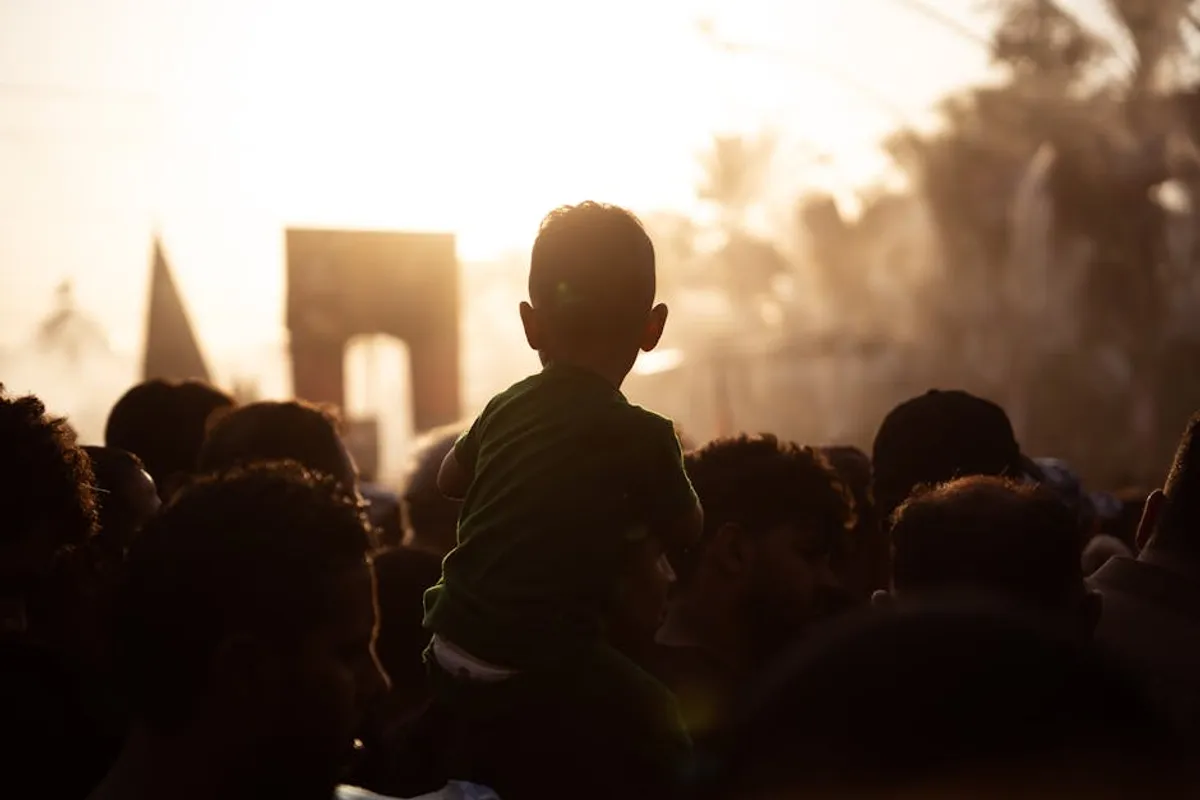
Forty days after Ashura, the day of Husayn's martyrdom, marks Arba'een. This commemoration is distinguished by one of the largest annual peaceful gatherings in the world, where millions of pilgrims, many walking hundreds of kilometers, converge on Karbala. The Arba'een pilgrimage is a powerful demonstration of faith, solidarity, and resilience, serving as a collective reaffirmation of the ideals for which Husayn stood.
Cultural and Political Resonance
The narrative of Karbala has permeated various aspects of culture and politics, influencing literature, poetry, art, and even revolutionary movements. Its themes of resistance against tyranny, self-sacrifice, and the pursuit of justice have been invoked in numerous contexts globally, often as a symbol for oppressed communities seeking liberation. The Karbala paradigm provides a framework for understanding and responding to injustice, inspiring acts of social and political activism.
Understanding Karbala's Legacy
Karbala's legacy is multifaceted, spanning historical recount, religious devotion, and ethical instruction. It serves as a perpetual reminder of the consequences of political ambition unchecked by moral principles and the enduring power of principled resistance. The event continues to shape the spiritual lives of millions, fostering a deep sense of identity, purpose, and commitment to justice. Its lessons encourage introspection on personal responsibility, the importance of standing for truth, and the profound impact of sacrifice for a greater cause. This commitment is further amplified by events like Arbaeen, which showcases the spiritual significance of Arbaeen and the vast devotion it inspires.
Frequently Asked Questions
What is the significance of the 10th of Muharram (Ashura)?
The 10th of Muharram, known as Ashura, is the day Husayn ibn Ali and his companions were martyred in the Battle of Karbala in 680 CE. It is observed as a day of solemn mourning and remembrance, particularly by Shi'a Muslims, commemorating their sacrifice for justice and truth.
Who was Husayn ibn Ali?
Husayn ibn Ali was the grandson of the Prophet Muhammad through his daughter Fatimah and son-in-law Ali ibn Abi Talib. He is revered in Islam as a principled leader who refused to pledge allegiance to the corrupt Umayyad caliph Yazid I, leading to his martyrdom at Karbala.
What is the Arba'een pilgrimage?
Arba'een marks the 40th day after Ashura, commemorating the martyrdom of Imam Husayn. It is observed by millions of pilgrims, many walking to Karbala, Iraq, to visit the shrines of Husayn and Abbas. It is one of the largest religious gatherings globally, symbolizing profound devotion and solidarity.
How does Karbala influence contemporary thought?
Karbala continues to influence contemporary thought by serving as a powerful symbol of resistance against oppression, the importance of moral courage, and the pursuit of justice. Its narrative is frequently referenced in discussions about human rights, political ethics, and the responsibility of individuals to challenge tyranny.