
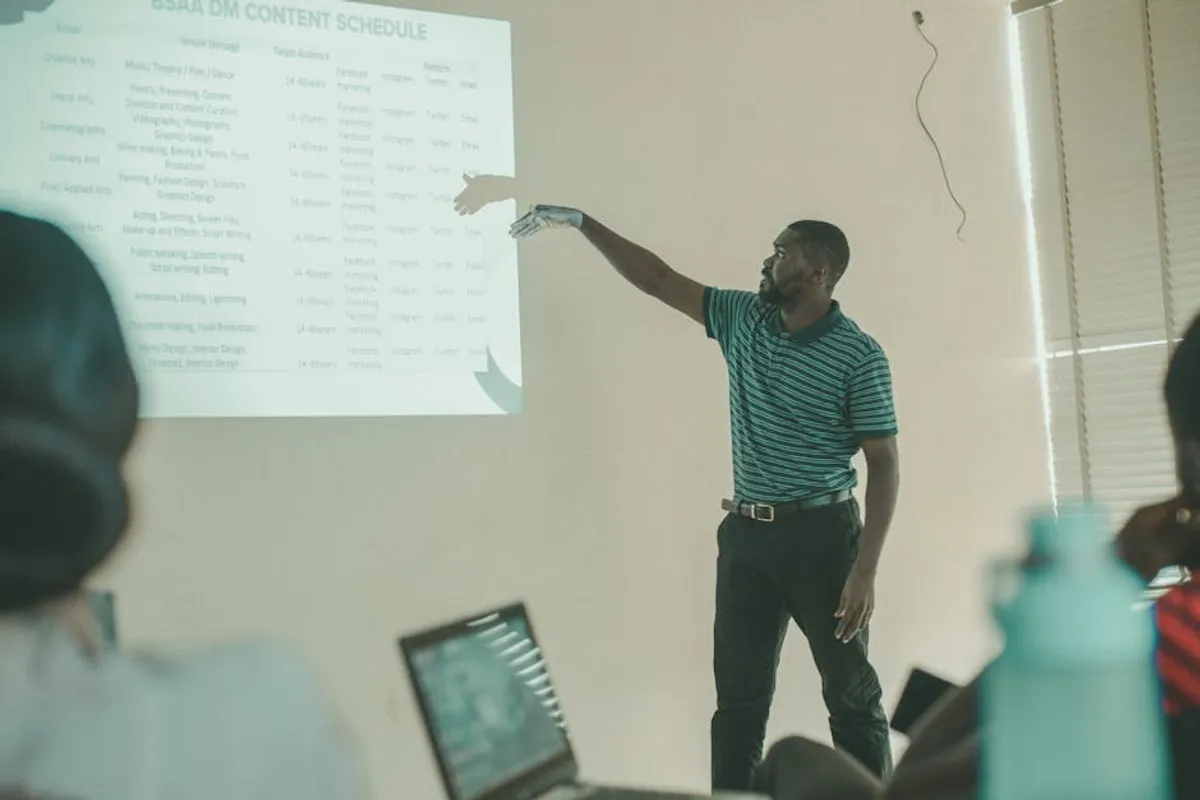
Creating educational resources for faith communities requires a thoughtful approach that balances theological depth with practical pedagogy. Effective resources strengthen community bonds, deepen understanding, and support spiritual formation. This process is not merely about compiling information; it involves strategic planning, content development, and distribution methods tailored to the specific needs and contexts of the community. The goal is to produce materials that are not only informative but also engaging, accessible, and ultimately transformative for participants.
Defining Your Audience and Objectives
Before developing any content, clearly define who your resources are for and what you aim to achieve. This foundational step ensures relevance and impact.
Identifying Community Needs
Understanding your specific audience within the faith community is paramount. Consider demographics such as age groups (children, youth, adults, seniors), educational backgrounds, and prior theological knowledge. A resource for new converts will differ significantly from one designed for seasoned theologians. Conduct surveys, focus groups, or informal interviews to identify gaps in understanding, common questions, or areas where spiritual growth is most desired. For instance, a community struggling with intergenerational communication might benefit from resources on shared faith narratives, while a group facing contemporary ethical dilemmas may need materials addressing those specific challenges.
Setting Clear Learning Goals
Each resource should have explicit, measurable learning objectives. These objectives guide content creation and allow for evaluation of effectiveness. Instead of a vague goal like "learn more about prayer," define specific outcomes such as "participants will be able to identify three different forms of prayer and practice one new method daily for a week." Objectives can span cognitive (knowledge acquisition), affective (attitude or belief shifts), and psychomotor (skill development) domains. Aligning these goals with the community's broader mission ensures the resources contribute directly to its strategic aims.
Content Development: From Concept to Curriculum
With a clear understanding of your audience and objectives, the next step is to build the educational content itself.
Structuring Your Curriculum
Organize your material logically, typically progressing from foundational concepts to more complex ideas. A well-structured curriculum provides a clear learning path. Consider modular design, where individual lessons or topics can stand alone but also contribute to a larger series. This flexibility allows participants to engage with specific areas of interest or catch up if they miss a session. For example, a series on biblical history might be broken into modules on the Old Testament, the Gospels, and Pauline epistles, each with sub-topics. Each module should include an introduction, core content, activities, and a summary or reflection prompt.
Choosing Appropriate Formats
The format of your resource significantly impacts engagement and accessibility. Options include:
- Text-based materials: Workbooks, study guides, articles, online devotionals. These are cost-effective for detailed information and personal reflection.
- Audio resources: Podcasts, recorded sermons, guided meditations. Ideal for commuters or those with visual impairments, fostering auditory learning.
- Video content: Short instructional videos, recorded lectures, documentaries, animated explainers. Highly engaging for visual learners and complex topics, often requiring more production effort.
- Interactive platforms: Online courses with quizzes, discussion forums, live webinars. Facilitate active participation and community building, often requiring specialized software.
Best for: Blending formats often yields the most comprehensive and engaging experience, catering to diverse learning styles within the community.
Incorporating Faith-Specific Pedagogy
Educational resources for faith communities benefit from pedagogical approaches that resonate with spiritual learning. This includes:
- Storytelling: Utilizing sacred narratives, parables, and personal testimonies to illustrate concepts and foster connection.
- Reflection and Contemplation: Integrating prompts for personal prayer, journaling, or silent meditation.
- Communal Discussion: Designing activities that encourage group interaction, sharing perspectives, and collaborative learning.
- Practical Application: Providing actionable steps or challenges that allow participants to integrate learning into their daily lives.
These methods move beyond rote memorization, aiming for deeper spiritual formation and lived faith.
Resource Production and Design Considerations
The presentation of your resources is as important as their content. Thoughtful design enhances usability and engagement.
Visual and Auditory Elements
High-quality visuals (clear images, appropriate fonts, consistent branding) and clear audio are essential. For text-based materials, use legible fonts, sufficient white space, and clear headings. For video, ensure good lighting, clear audio, and professional editing. Visual consistency across all resources helps establish a recognizable identity for your community's educational offerings. Avoid overly busy layouts or distracting sound effects that detract from the core message.
Accessibility and Inclusivity
Design resources to be accessible to the widest possible audience. This includes providing:
- Closed captions for videos.
- Transcripts for audio content.
- Large print options for text materials.
- Clear, simple language, avoiding excessive jargon.
- Consideration for cultural sensitivities and diverse theological perspectives within the community.
Inclusive design ensures that individuals with different abilities or backgrounds can fully participate and benefit from the educational experience.
Pro Tip: Pilot your educational resources with a small, representative group from your faith community before a full launch. Gather specific feedback on clarity, engagement, theological accuracy, and usability. This iterative testing process allows for crucial adjustments that can significantly improve the resource's effectiveness and reception.
Distribution and Engagement Strategies
Creating excellent resources is only half the battle; they must also reach your audience and be used effectively.
Platform Selection
Choose distribution platforms that align with your community's technical capabilities and audience preferences. Options include:
- Community website/portal: Centralized hub for all resources, easy for members to access.
- Learning Management Systems (LMS): For structured online courses with progress tracking, quizzes, and discussion boards.
- Social media: For promoting resources and engaging with shorter content snippets.
- Print distribution: For physical workbooks or handouts, especially for those less digitally inclined.
Best for: A multi-platform approach often maximizes reach, ensuring resources are available where the community already spends its time.
Promoting and Sustaining Engagement
Actively promote your resources through community announcements, newsletters, and social media. Highlight the benefits and learning outcomes. To sustain engagement, integrate resources into existing community activities, such as small group studies, sermon series, or youth programs. Encourage feedback mechanisms, such as surveys or dedicated discussion sessions, to gather insights on how the resources are being used and how they can be improved. Regularly update content to maintain relevance and address evolving community needs.
Building a Lasting Educational Legacy
Effective educational resources are not one-off projects but ongoing investments in your faith community's growth. By thoughtfully defining objectives, developing engaging content, ensuring accessible design, and strategically distributing materials, you create a robust framework for spiritual formation. Continual evaluation and adaptation based on community feedback are crucial for maintaining relevance and impact over time. This iterative process ensures that your educational offerings remain dynamic, responsive, and deeply connected to the evolving needs of those they serve.
Frequently Asked Questions
How can a small faith community with limited resources begin creating educational materials?
Start small and leverage existing talents. Begin with simple formats like discussion guides for existing sermons or short, text-based devotionals. Utilize free online tools for design and basic video editing. Focus on one or two key areas of need rather than attempting a comprehensive curriculum immediately.
What makes an educational resource truly "effective" for a faith community?
An effective resource fosters measurable spiritual growth, deepens theological understanding, or prompts practical application of faith principles. It is engaging, accessible to its target audience, and aligns with the community's core values and mission. Feedback from participants indicating changed perspectives or behaviors is a strong indicator of effectiveness.
Should our community prioritize digital or print resources?
The choice depends on your community's demographics and access to technology. Younger, digitally native members may prefer online courses and videos, while older members or those with limited internet access might benefit more from print materials. A hybrid approach, offering both digital and print options where feasible, often serves the broadest spectrum of the community.
How often should educational resources be updated or reviewed?
Regular review is essential. Annual or bi-annual reviews are recommended to ensure theological accuracy, cultural relevance, and pedagogical effectiveness. Feedback from users, changes in community needs, or new theological insights should prompt updates. Some resources, like foundational theological texts, may require less frequent updates than those addressing contemporary social issues.