
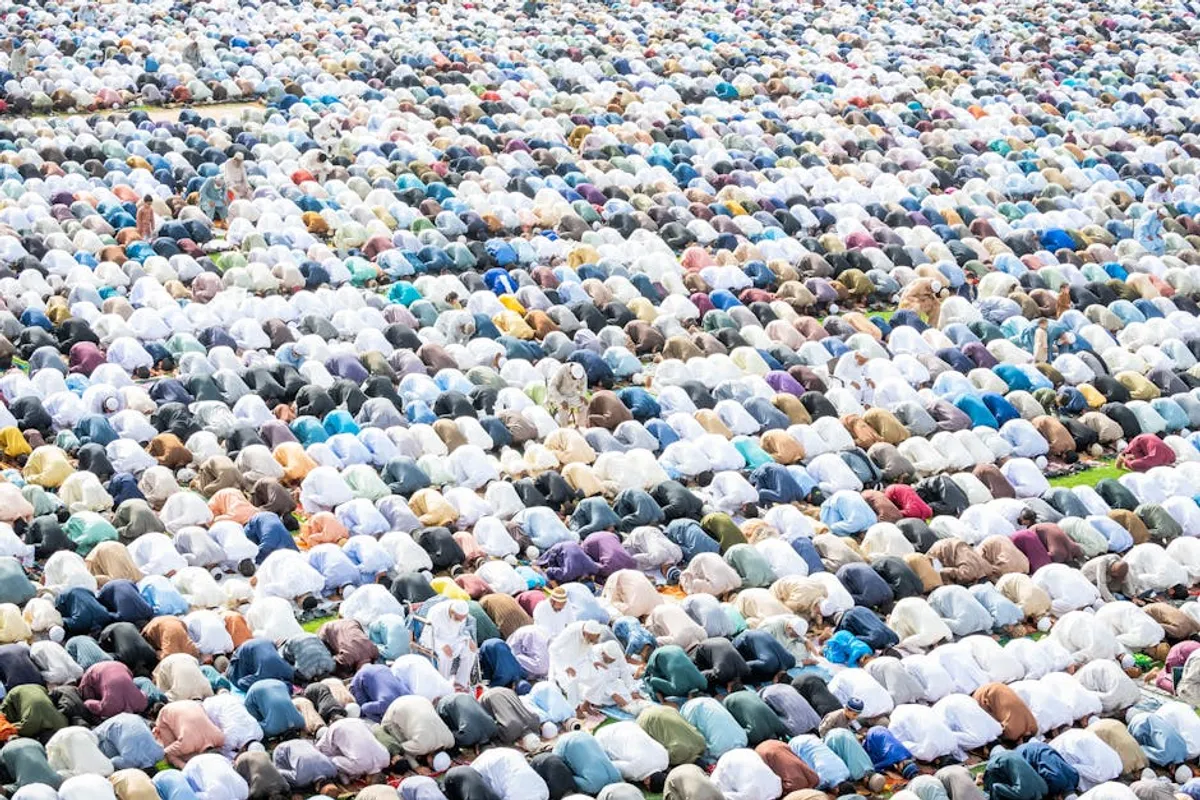
For content strategists and marketers targeting demographics that observe Islamic traditions, understanding the core tenets of events like Eid is crucial. Beyond surface-level recognition, a detailed grasp of Eid prayer basics informs keyword research, content calendars, and targeted messaging. This foundational knowledge ensures accuracy, relevance, and ultimately, user engagement for any content initiatives touching upon this significant religious observance. This article outlines the essential components of Eid prayer, providing the descriptive context necessary for informed content development and audience engagement.
The Significance and Timing of Eid Prayers
Eid prayers are special congregational prayers performed by Muslims to celebrate the two major Islamic festivals: Eid al-Fitr and Eid al-Adha. Unlike the daily five obligatory prayers, Eid prayers are performed annually and carry unique characteristics. Understanding their timing and purpose is fundamental for any content calendar planning or campaign scheduling.
- Eid al-Fitr: This prayer marks the end of Ramadan, the month of fasting. It is performed on the first day of Shawwal, the tenth month of the Islamic lunar calendar. Content related to Eid al-Fitr often focuses on breaking the fast, charity (Zakat al-Fitr), family gatherings, and new beginnings.
- Eid al-Adha: Known as the "Festival of Sacrifice," this Eid commemorates the willingness of Ibrahim (Abraham) to sacrifice his son. It is performed on the 10th day of Dhul Hijjah, the twelfth and final month of the Islamic calendar, coinciding with the annual Hajj pilgrimage. Content for Eid al-Adha frequently addresses themes of sacrifice, pilgrimage, charity (Qurbani), and devotion.
Both prayers are typically performed shortly after sunrise, within the first few hours of the morning, and before the Dhuhr (noon) prayer. This specific time window is critical for event promotion or time-sensitive content delivery, as delays can render information irrelevant or missed by the target audience.
Distinctive Elements of Eid Prayer Performance
The performance of Eid prayer differs from regular daily prayers in several key aspects, making it a unique ritual. Content detailing these differences can capture specific long-tail queries and provide valuable informational resources.
Congregational Requirement and Location
Eid prayer is a congregational prayer (Salat al-Jama'ah), ideally performed in a large open space (Musalla or Eidgah) or a mosque. The emphasis on community gathering is a strong theme, relevant for promoting local events, community services, or products related to communal celebration.
Absence of Adhan and Iqamah
Unlike daily prayers, Eid prayers are performed without the Adhan (call to prayer) and Iqamah (secondary call to prayer immediately before standing for prayer). This absence is a distinguishing feature, and content creators should avoid implying their presence when describing Eid prayer rituals.
The Takbirat
A central distinguishing feature of Eid prayer is the inclusion of additional Takbirat (plural of Takbir, meaning 'Allahu Akbar' or 'God is the Greatest'). After the opening Takbir, there are typically six or seven additional Takbirat in the first unit (rak'ah) before recitation of the Quran, and five or six additional Takbirat in the second unit before recitation. The exact number can vary slightly between different schools of thought, a nuance worth noting for highly specific content targeting.
Pro Tip for Content Creators: When crafting content about Eid prayer, accurately representing the sequence and number of Takbirat is crucial. Inconsistencies or errors can undermine credibility with an informed audience. Always cross-reference details with authoritative Islamic sources to ensure factual accuracy, especially when creating instructional or descriptive guides.
The Khutbah (Sermon)
Following the two units of prayer, a Khutbah (sermon) is delivered by the Imam. While in Friday prayers the sermon precedes the prayer, in Eid prayers, it follows. The Khutbah typically reinforces the spiritual lessons of the Eid, such as gratitude for Eid al-Fitr or the lessons of sacrifice for Eid al-Adha. Analyzing common themes within these sermons can provide insights into prevailing community values and messaging opportunities.
Key Terminology for Content Accuracy
A precise understanding of specific terminology enhances content quality and improves search engine visibility for relevant queries. Incorrect usage can lead to misinterpretation and reduced authority.
- Rak'ah: A unit of Islamic prayer, consisting of a set of movements and recitations. Eid prayer typically consists of two Rak'ahs.
- Imam: The leader of the congregational prayer. Their role in delivering the Khutbah is significant.
- Musalla / Eidgah: Large open grounds or designated areas where Eid prayers are often performed due to the large number of congregants.
- Zakat al-Fitr: A mandatory charity given before Eid al-Fitr prayer, typically food items, to ensure the less fortunate can also celebrate. Relevant for charity-focused content.
- Qurbani / Udhiyah: The ritual sacrifice of an animal during Eid al-Adha, a practice rooted in the story of Prophet Ibrahim. This term is central to content related to charitable giving and food distribution during Eid al-Adha.
Leveraging Foundational Understanding for Content Strategy
Understanding the basics of Eid prayer is not merely academic; it provides a robust framework for developing effective content strategies. Marketers can identify key seasonal trends, anticipate search intent, and tailor messaging to resonate deeply with an audience observing these traditions. For instance, detailed guides on "how to perform Eid prayer at home" surged during periods of limited congregational gatherings, indicating shifts in search behavior based on external factors. Similarly, content around "Eid outfit ideas" or "halal catering for Eid" directly correlates with the celebratory aspects of these events. By grounding content in accurate, culturally sensitive information, brands and publishers can build trust and authority within this significant demographic.
Frequently Asked Questions About Eid Prayer
Is Eid prayer obligatory for all Muslims?
The obligation of Eid prayer varies among different Islamic schools of thought. Some consider it obligatory (wajib), while others view it as a highly recommended sunnah (practice of the Prophet Muhammad). For content, it's important to acknowledge this nuance rather than making a definitive, universal claim.
Can Eid prayer be performed individually at home?
While Eid prayer is primarily a congregational prayer, in circumstances where attending a congregation is not possible (e.g., illness, travel, or public health restrictions), some scholars permit performing a modified version individually at home. Content addressing this topic should provide clear, context-specific guidance.
What should one wear for Eid prayer?
Muslims are encouraged to wear their best clothes for Eid prayer, symbolizing joy and gratitude. There are no strict prescriptive rules beyond modesty, but new or clean attire is customary. This insight is valuable for fashion, retail, and lifestyle content creators.
Are there any specific greetings for Eid?
The common greeting for Eid is "Eid Mubarak," which means "Blessed Eid." Understanding and using this greeting appropriately in marketing and communication demonstrates cultural sensitivity and enhances audience connection.