
Eid al Adha, often referred to as the "Festival of Sacrifice," is one of the two major annual holidays celebrated by Muslims worldwide. Scheduled for June 2026, this observance holds deep theological and communal significance, commemorating Prophet Ibrahim's unwavering devotion and willingness to sacrifice his son, Ismail, in obedience to God's command. The holiday underscores themes of sacrifice, gratitude, charity, and communal solidarity, extending beyond mere religious ritual to embody a profound cultural and social event across diverse communities.
The Historical Foundation: Sacrifice and Devotion
The core of Eid al Adha's meaning stems from the Quranic narrative of Prophet Ibrahim (Abraham in Judeo-Christian traditions). According to Islamic tradition, Ibrahim was commanded in a dream by God to sacrifice his most beloved possession, which he understood to be his son, Ismail. As Ibrahim prepared to fulfill this command, demonstrating complete submission to divine will, God intervened, replacing Ismail with a ram. This act is celebrated not as a literal endorsement of human sacrifice, but as a testament to absolute faith, obedience, and the triumph of spiritual devotion over personal attachment. The annual observance serves as a powerful reminder for adherents to reflect on their own level of devotion and willingness to make sacrifices for higher principles.
Key Traditions and Observances
The celebration of Eid al Adha spans several days, typically three to four, beginning on the 10th day of Dhu al-Hijjah, the twelfth and final month of the Islamic lunar calendar. Its timing coincides with the completion of the annual Hajj pilgrimage to Mecca, though participation in Hajj is not a prerequisite for observing Eid al Adha.
The Qurbani (Sacrifice)
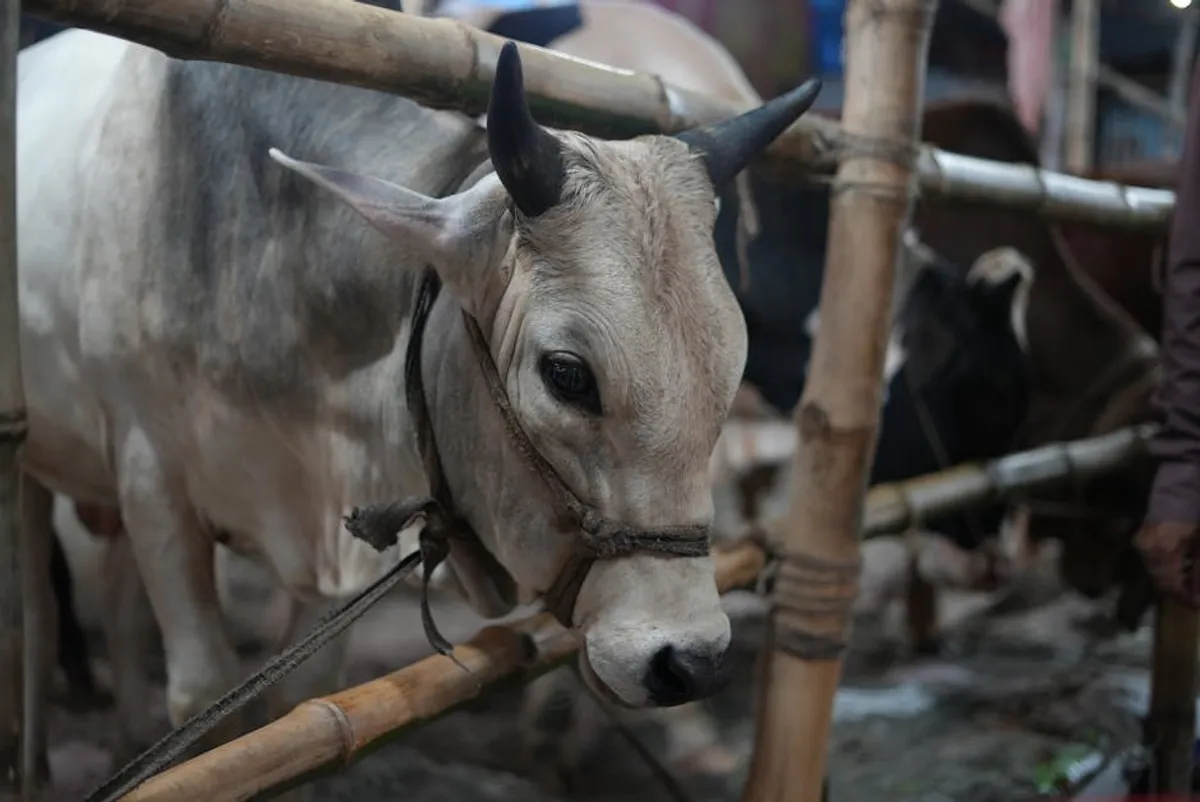
The central ritual of Eid al Adha is the Qurbani, or the ritual sacrifice of an animal. This typically involves a sheep, goat, cow, or camel, performed after the Eid prayers on the first day. The animal must be healthy and meet specific Islamic guidelines. The meat from the Qurbani is divided into three parts:
- One-third is consumed by the family of the person offering the sacrifice.
- One-third is distributed to relatives, friends, and neighbors.
- One-third is given to the poor and needy.
This distribution mechanism ensures that the blessings of the sacrifice are shared widely, particularly with those less fortunate, reinforcing the holiday's emphasis on charity and community welfare. For those unable to perform the sacrifice themselves, various organizations facilitate donations or proxy sacrifices in impoverished regions.
Prayer (Salat al-Eid)
On the morning of Eid al Adha, Muslims gather in large congregations at mosques or open prayer grounds to perform the special Eid prayer. This prayer is distinct from daily prayers, featuring additional 'takbirat' (exaltations of God). Following the prayer, a sermon (khutbah) is delivered, typically focusing on the significance of the holiday, the story of Ibrahim, and lessons on faith, sacrifice, and community responsibility. This communal prayer is a powerful expression of unity and collective devotion.
Festivities and Community Engagement
Beyond the religious rituals, Eid al Adha is a time for joyous celebration and strengthening family and community bonds. Key activities include:
- Family Gatherings: Families visit each other, share meals, and exchange greetings. It's common for extended families to travel long distances to celebrate together.
- Gift-Giving: Children often receive gifts, new clothes, and money (Eidi) from elders.
- Feasting: Special dishes, often featuring the meat from the Qurbani, are prepared and shared.
- Charity and Outreach: The spirit of giving extends beyond meat distribution, with many individuals and organizations increasing their charitable efforts during this period.
These social aspects highlight the holiday’s role in fostering cohesion and mutual support within Muslim communities globally.
The Spirit of Giving: Charity and Sharing
The emphasis on sharing and charity during Eid al Adha is paramount. The act of Qurbani is not merely a ritual but a tangible expression of generosity and social responsibility. By ensuring a portion of the sacrificed meat reaches the less fortunate, the holiday directly addresses food insecurity and promotes a sense of collective well-being. This practice reinforces the Islamic principle that wealth and resources are trusts from God, to be shared with those in need, thereby reducing disparities and fostering empathy within society. For marketers and communicators, understanding this inherent charitable aspect is crucial for respectful and relevant engagement.
Pro Tip: When engaging with topics related to Eid al Adha, prioritize accuracy in terminology and respect for cultural nuances. Avoid generalizations and focus on specific, verifiable details of observance and meaning. Misrepresentation can detract from the intended message and alienate the audience.
Preparing for Eid al Adha 2026
As Eid al Adha approaches in June 2026, communities will begin preparations. The exact dates vary slightly based on the sighting of the moon, but June 16th is widely anticipated for the start of the holiday. Preparations often involve cleaning homes, purchasing new clothes, planning menus for celebratory meals, and coordinating Qurbani arrangements. For businesses and organizations, this period represents an opportunity to acknowledge and support their Muslim employees, customers, and partners through culturally sensitive messaging and flexible scheduling. Understanding the holiday's significance allows for more meaningful engagement and avoids potential missteps.
Embracing the Observance
Eid al Adha in 2026 will once again offer a profound opportunity for reflection, devotion, and community building. Its traditions—from the symbolic sacrifice to the communal prayers and extensive charitable giving—are deeply interwoven with the fabric of Islamic life. Recognizing the meaning behind these practices provides insight into the values that shape millions of individuals and communities worldwide. Engaging with this holiday requires an appreciation for its historical roots, its spiritual depth, and its practical expressions of solidarity and generosity. Understanding the meaning and date of this holiday provides a deeper appreciation for its significance in the Islamic calendar.
Frequently Asked Questions
When is Eid al Adha 2026 expected to occur?
Eid al Adha 2026 is anticipated to begin around June 16th, though the exact date is confirmed by lunar sighting committees closer to the time.
What is the primary significance of Eid al Adha?
It commemorates Prophet Ibrahim's ultimate act of submission to God's will through his willingness to sacrifice his son, Ismail, emphasizing themes of faith, obedience, and devotion.
Who receives the meat from the Qurbani sacrifice?
The meat is typically divided into three equal parts: one for the sacrificing family, one for relatives and friends, and one for the poor and needy.
Is Eid al Adha connected to the Hajj pilgrimage?
Yes, Eid al Adha marks the conclusion of the annual Hajj pilgrimage, though the holiday is observed by Muslims globally, regardless of their participation in Hajj.