
Understanding the deep historical and cultural narratives that shape global communities is essential for any content professional aiming to connect with diverse audiences. Ashura, a day of immense significance within Islam, particularly for Shia Muslims, represents one such pivotal narrative. Its meaning extends far beyond a single religious observance, encompassing centuries of historical events, profound spiritual concepts, and a lasting impact on cultural identity and collective memory. For marketers and publishers, grasping the intricacies of Ashura provides critical context for audience segmentation, content sensitivity, and the development of narratives that resonate authentically with specific demographics.
The Core Meaning of Ashura
Ashura, literally meaning "tenth" in Arabic, refers to the tenth day of Muharram, the first month of the Islamic calendar. While it holds various layers of significance across different Islamic traditions, its most prominent and universally recognized meaning, especially for Shia Muslims, is the commemoration of the martyrdom of Imam Husayn ibn Ali, the grandson of the Prophet Muhammad, in the Battle of Karbala in 61 AH (680 CE). This event is not merely a historical footnote; it is a foundational narrative that embodies principles of sacrifice, resistance against injustice, and spiritual devotion.
For Sunni Muslims, Ashura is also a significant day, primarily observed through fasting. This practice predates the Karbala event, tracing back to the time of Prophet Muhammad, who observed it in remembrance of Moses's deliverance of the Israelites from Pharaoh. The Prophet recommended fasting on this day, often accompanied by the ninth or eleventh of Muharram, to distinguish it from Jewish observances.
Historical Context and Evolution
The historical background of Ashura is layered, with different traditions emphasizing distinct events. The pre-Islamic and early Islamic significance primarily revolved around the fasting tradition:
- Noah's Ark: Some traditions suggest Noah's Ark landed on Ashura.
- Moses and the Exodus: The day is widely recognized as when Moses and the Israelites were saved from Pharaoh by the parting of the Red Sea.
- Prophet Muhammad's Practice: The Prophet Muhammad fasted on Ashura and encouraged his followers to do the same, initially as a sole day of fasting before the institution of Ramadan.
The Tragedy of Karbala
The pivotal event that reshaped the meaning of Ashura, particularly for Shia Islam, occurred on the 10th of Muharram in 61 AH (October 10, 680 CE) in Karbala, present-day Iraq. This was the Battle of Karbala, where Imam Husayn, along with a small group of companions and family members, was brutally martyred by the forces of Yazid I, the Umayyad caliph.
Key Figures and Context:
- Imam Husayn ibn Ali: Grandson of Prophet Muhammad, considered the third Imam by Shia Muslims. He refused to pledge allegiance to Yazid, viewing his rule as illegitimate and corrupt.
- Yazid I: The second Umayyad caliph, whose succession was controversial and seen by many as a deviation from Islamic principles of leadership.
- The Journey: Husayn traveled from Mecca towards Kufa (in modern-day Iraq) after receiving invitations from Kufans to lead them against Yazid. His caravan was intercepted and surrounded at Karbala.
- The Siege and Battle: For several days, Husayn and his companions were denied water. On the tenth day, they were attacked. Despite being heavily outnumbered, Husayn and his followers fought valiantly until they were all martyred, including Husayn's infant son, Ali al-Asghar.
The Battle of Karbala is not just a military defeat but a profound moral victory in the eyes of Shia Muslims. It cemented Husayn's status as the "Master of Martyrs" and became a symbol of resistance against tyranny, self-sacrifice for justice, and unwavering devotion to principle.
Pro Tip: When developing content related to historical religious events, ensure meticulous fact-checking and consult diverse scholarly sources. Misrepresenting such narratives can significantly alienate specific audience segments and undermine brand credibility. Accuracy is paramount for trust.
Rituals and Commemorations Today
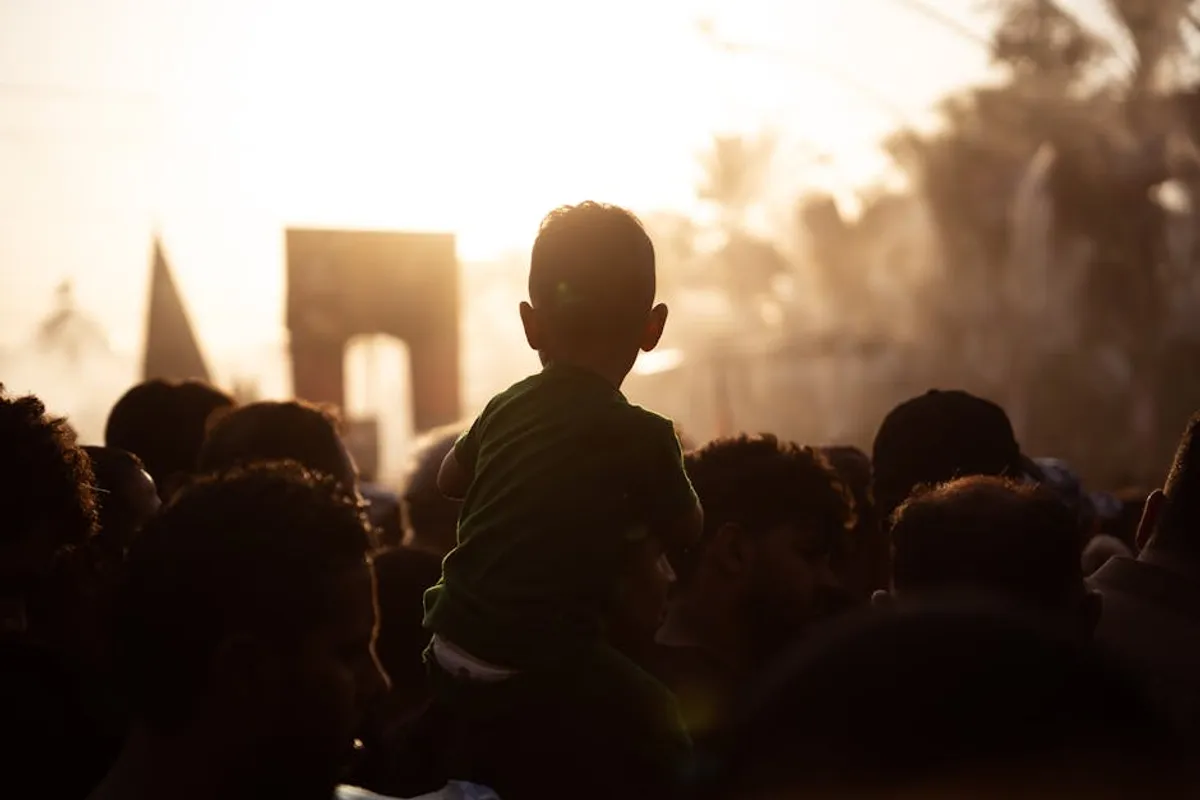
The observance of Ashura, particularly for Shia Muslims, is marked by deep mourning, remembrance, and acts of devotion. These commemorations often begin from the first day of Muharram and culminate on Ashura itself:
- Majalis (Gatherings): Public and private gatherings where sermons are delivered, recounting the events of Karbala, focusing on the suffering of Imam Husayn and his family, and discussing the philosophical and spiritual lessons.
- Matam (Mourning Rituals): Self-flagellation or chest-beating as expressions of grief and solidarity with the suffering of Imam Husayn. These vary in intensity and form across different regions.
- Taziyah (Passion Plays): Dramatic reenactments of the Battle of Karbala, particularly prevalent in Iran and parts of South Asia, serving as a powerful visual and emotional reminder of the tragedy.
- Processions: Large public processions where participants march, recite elegies, and sometimes carry symbolic banners or replicas of Husayn's standard.
- Charity and Benevolence: Many observers engage in acts of charity, feeding the poor, or donating blood, connecting the sacrifice of Husayn with humanitarian values.
For Sunni Muslims, Ashura is primarily observed through fasting, often accompanied by the ninth or eleventh of Muharram. This fasting is considered a meritorious act, following the sunnah (practice) of the Prophet Muhammad.
Enduring Legacy and Contemporary Relevance
The events of Ashura and the martyrdom of Imam Husayn have left an indelible mark on Islamic civilization and beyond. Its legacy is evident in:
- Shaping Shia Identity: Karbala is central to Shia theology, shaping their understanding of martyrdom, justice, and leadership. It provides a historical narrative for their distinct identity within Islam.
- Inspiration for Resistance: Throughout history, the narrative of Husayn's stand against injustice has inspired numerous movements for social and political resistance against oppressive regimes, both within Islamic contexts and globally.
- Art and Literature: Ashura has been a profound source of inspiration for poets, artists, and playwrights, leading to a rich tradition of elegiac poetry (marsiya), visual art, and dramatic performances that convey its emotional and spiritual depth.
- Community Cohesion: The annual commemoration fosters a strong sense of community and solidarity among observers, reinforcing shared values and historical memory.
For content professionals, recognizing the depth and breadth of Ashura's influence means understanding a significant cultural touchstone that informs the worldview and sensitivities of millions. It underscores the importance of nuanced communication and respect for historical narratives that carry profound emotional and spiritual weight.
Navigating Historical Narratives and Audience Understanding
The meaning and historical background of Ashura offer a compelling case study in how pivotal historical events can shape religious identity, cultural practices, and political thought for centuries. Its dual significance—as a day of fasting for some and a profound commemoration of martyrdom for others—highlights the diverse interpretations within Islam. For those engaged in content creation or audience analysis, understanding Ashura is not just about historical facts; it is about appreciating the enduring power of narrative to define community, inspire action, and articulate fundamental human values like justice, sacrifice, and resistance. This insight is crucial for developing content strategies that are both informed and respectful, fostering genuine connection with diverse audiences. Understanding the fundamental principles of how the Islamic calendar works provides additional context for this observance.
Frequently Asked Questions
- What is the primary significance of Ashura for Shia Muslims?
- For Shia Muslims, Ashura primarily commemorates the martyrdom of Imam Husayn ibn Ali, the grandson of Prophet Muhammad, in the Battle of Karbala in 680 CE. It symbolizes sacrifice, resistance against injustice, and unwavering devotion to principle.
- How do Sunni Muslims typically observe Ashura?
- Sunni Muslims primarily observe Ashura by fasting, often on the 9th and 10th or 10th and 11th of Muharram. This practice follows the tradition of Prophet Muhammad, who fasted on this day in remembrance of Moses's deliverance from Pharaoh.
- What is the Battle of Karbala?
- The Battle of Karbala was a pivotal event on the 10th of Muharram, 61 AH (680 CE), where Imam Husayn and his small group of companions and family members were martyred by the larger forces of Yazid I, the Umayyad caliph, after Husayn refused to pledge allegiance to him.
- How does Ashura influence contemporary culture?
- Ashura profoundly influences contemporary culture by shaping Shia identity, inspiring movements for justice and resistance, enriching art and literature (poetry, passion plays), and fostering strong community cohesion through its annual commemorations.